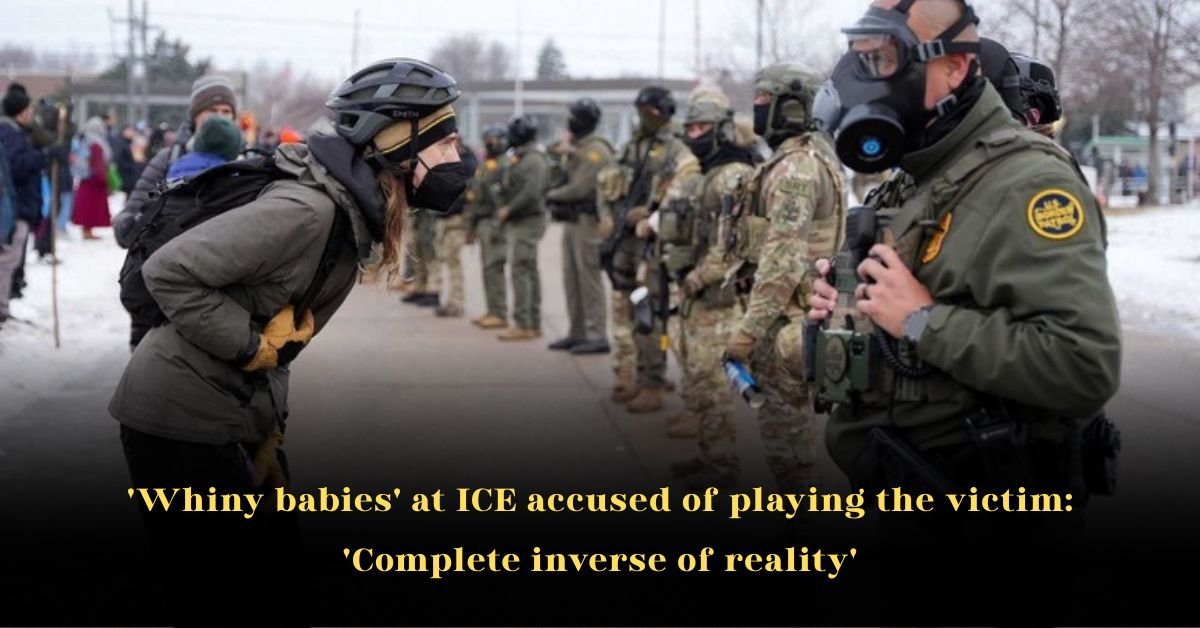
The fight between law enforcement actions and political talk is very hot right now. This is because of a sad event in Minnesota. A new analysis has started a big argument. The argument is about who is responsible at federal agencies and the stories people tell about them. This article looks at what happened after the Minneapolis ICE shooting. It looks at the criticism of the political spin. It also looks at how this affects the public’s trust in immigration enforcement.
The Minneapolis Incident: A Catalyst for Controversy
On January 9, 2026, news came out. It said a mother, 37-year-old Renee Nicole Good, was shot and killed. An agent from Immigration and Customs Enforcement (ICE) in Minneapolis did the shooting. The exact details of what happened are still being looked into. But very quickly, the local tragedy became a national political show.
This ICE agent shooting in Minneapolis is now a central point for arguing about force in US immigration enforcement. Many police shootings get talked about for body-cam video or police department policy. But this incident is different. It has become an ideological fight.
The “Victimhood Narrative” Under Fire
In a strong opinion piece for Salon, analyst Amanda Marcotte criticized the MAGA movement and ICE leaders. She says they are “playing the victim.” Her main point is this: instead of talking about the person who died, these groups have switched to playing defense. Marcotte calls this a “complete inverse of reality.” The term ‘whiny babies’ at ICE was used to make a point. The point is that they seem to lack professional accountability. The analysis says the new story being told makes it seem like the agency and its supporters are the ones being “persecuted.” This overshadows the death of Renee Nicole Good. Critics see this “political deflection” as a strategy. They think it is used to protect the agency from serious oversight.
Analyzing the Political Spin: A Strategy of Inversion
The criticism says the ICE Minneapolis response is a pattern. It is a pattern of “narrative inversion.” By making the federal agency look like the underdog or the victim of a “radical” media, they shift the focus. The focus moves away from the fatal ICE shooting itself.
- Contextual Distortion: They use old talking points to justify what they do now.
- Emotional Appeals: They focus on how “dangerous” an agent’s job is. This is used to avoid questions about if they needed to use force in this specific case.
- Media Antagonism: They call any critical news report “fake news” or a “politically motivated attack.”
This strategy tries to make their supporters stronger. It also makes a transparent investigation more difficult.
ALSO READ: SHAME! Woman Screams at Laura Ingraham, Who Complains Protesters Gave Her the Finger
National Implications and Public Perception
The Minnesota ICE incident does not stand alone. It shows a bigger divide in America. The divide is about how Americans see federal law enforcement. Some people see the agency as necessary for national security. Others see it as an organization that goes too far and is not transparent.
Data about the ICE controversy gives an insight. When agencies use “victimhood” to defend themselves, it often makes local communities cooperate less. This is especially true in “sanctuary cities” or diverse places like Minneapolis. This friction makes law enforcement’s job harder later. This is because trust is the most important thing for effective policing.
Frequently Asked Questions
- Who was Renee Nicole Good? Renee Nicole Good was a 37-year-old mother. She was fatally shot by an ICE agent in Minneapolis in early 2026.
- Why is the Salon article calling ICE agents “whiny babies”? Analyst Amanda Marcotte used the term as a rhetorical device. She used it to criticize what she sees. She sees a culture of complaining and playing the victim to avoid responsibility for fatal actions.
- What is the current status of the investigation? Investigations into police shootings usually have two parts. The agency does an internal review. Local or federal justice departments also provide oversight. News about updates usually comes from official press releases.
The Path Toward Accountability
To get the public’s confidence back, analysts have suggestions. They say Immigration and Customs Enforcement news should focus on transparency, not political counter-messaging. People who want reform argue for these things:
- Required and fast release of body camera footage.
- Independent oversight committees for federal enforcement actions.
- Clearer rules about when force can be used in places where people live.
The story of the Renee Nicole Good Minneapolis shooting is still developing. The talk about it is a reminder. It reminds us of the power of stories in modern politics.
Disclaimer
The news information presented here is based on available reports and reliable sources. Readers should cross-check updates from official news outlets.