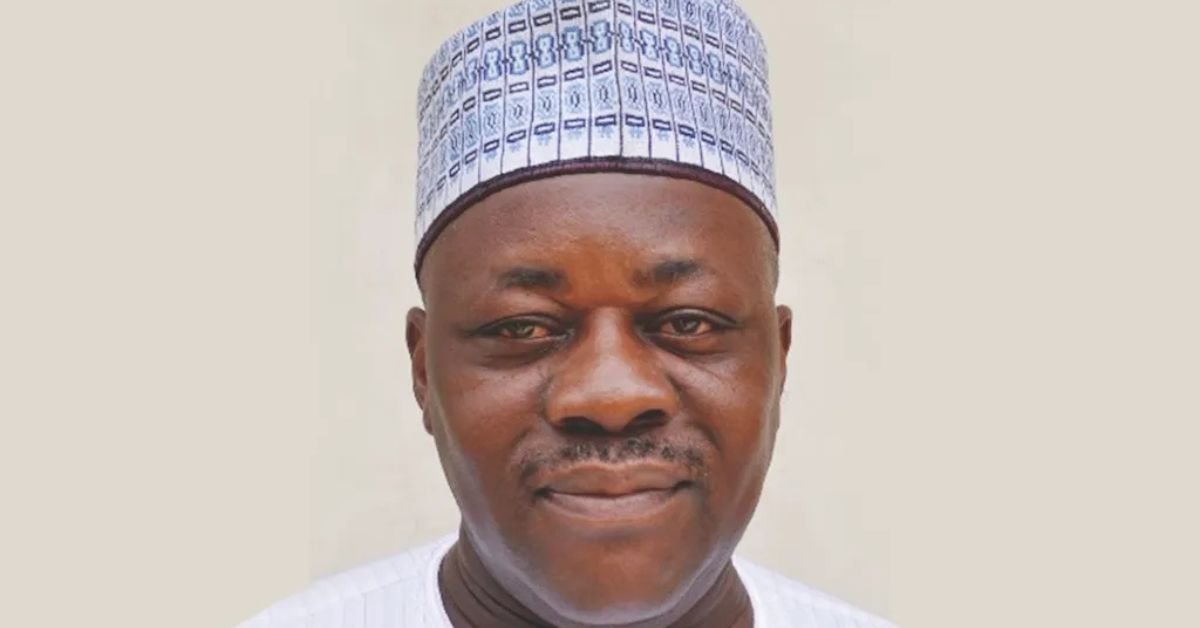
In Nigeria’s political discourse history is often revisited to explain present realities Recently Jibrin a prominent commentator raised a provocative question that reopens old debates Was Gowon not military president for 9 years and was it Southerners that took him out of power His statement touches on sensitive aspects of Nigeria’s past particularly the power struggles between regions the military’s role in governance and the perception of political dominance .
Gowon’s Rise to Power
General Yakubu ”Gowon” became Nigeria’s Head of State in 1966 after the assassination of Major General Johnson Aguiyi Ironsi At just 31 years old Gowon was thrust into leadership during one of Nigeria’s most turbulent periods His tenure was marked by the Nigerian Civil War between 1967 and 1970 a defining conflict that shaped the country’s unity and regional relations .
Also Read : NYSC Resumes Payment of ₦77,000 Arrears After Two Month Break
Gowon ” consolidated ” power and ruled Nigeria for nine years making him one of the longest serving military leaders in the country’s history During his regime he pursued a policy of No Victor No Vanquished after the civil war aimed at reconciliation He also launcheddevelopment initiatives under the famous Three Rs Reconstruction Rehabilitation and Reconciliation .
The Ouster of Gowon
Jibrin’s question centers on Gowon’s removal from power in 1975 Gowon was ousted in a bloodless coup while attending an Organization of African Unity summit in Kampala Uganda The coup was orchestrated primarily by middle ranking officers and the new regime was headed by General Murtala Mohammed .
Contrary to claims that Southerners played a decisive role in Gowon’s fall historical accounts suggest the coup was driven by internal military dissatisfaction rather than ethnic or regional calculations alone Critics of Gowon cited corruption delays in returning to civilian rule and dissatisfaction with his governance as key reasons behind his overthrow .
Regional Tensions and Jibrin’s Assertion
Jibrin’s rhetorical question appears to respond to ongoing narratives that often blame certain regions for political instability By asking whether Southerners removed Gowon he highlights the complexity of Nigeria’s political history and challenges the notion that one region is solely responsible for leadership changes .
In reality Nigeria’s coups were shaped by overlapping factors including ethnic tensions military rivalries and political grievances Gowon a Northerner was removed by fellow military officers many of whom were also from the North This weakens the argument that Southerners directly engineered his ouster .
Gowon’s Legacy
Despite criticisms Gowon is remembered for holding Nigeria together during the civil war and initiating policies that laid the groundwork for development However his administration faced accusations of corruption and inefficiency His long stay in power without a clear transition to democracy created frustration within the military which eventually cost him his position .
Today Gowon remains active in Nigeria’s public life often advocating for peace unity and interfaith dialogue His continued presence in national affairs keeps his legacy alive even as debates about his leadership remain unresolved .
Historical Lessons for Present Politics
Jibrin’s remarks serve as a reminder of the need to approach Nigeria’s history with nuance The ouster of Gowon was not a simple story of regional rivalry but a complex event shaped by military dynamics and governance challenges .
For modern Nigeria the lesson is clear progress depends on transcending divisive narratives and focusing on inclusive leadership Blame games rooted in historical misinterpretations only fuel division Instead Nigerians must learn from history to build a more united and democratic future .
Conclusion
The question Was Gowon not military president for 9 years and was it Southerners that took him out of power is more than rhetorical It challenges simplistic historical narratives and reminds Nigerians that leadership transitions in the past were rarely dictated by one region alone Gowon’s story highlights the complexities of power the dangers of prolonged military rule and the importance of unity in nation building .