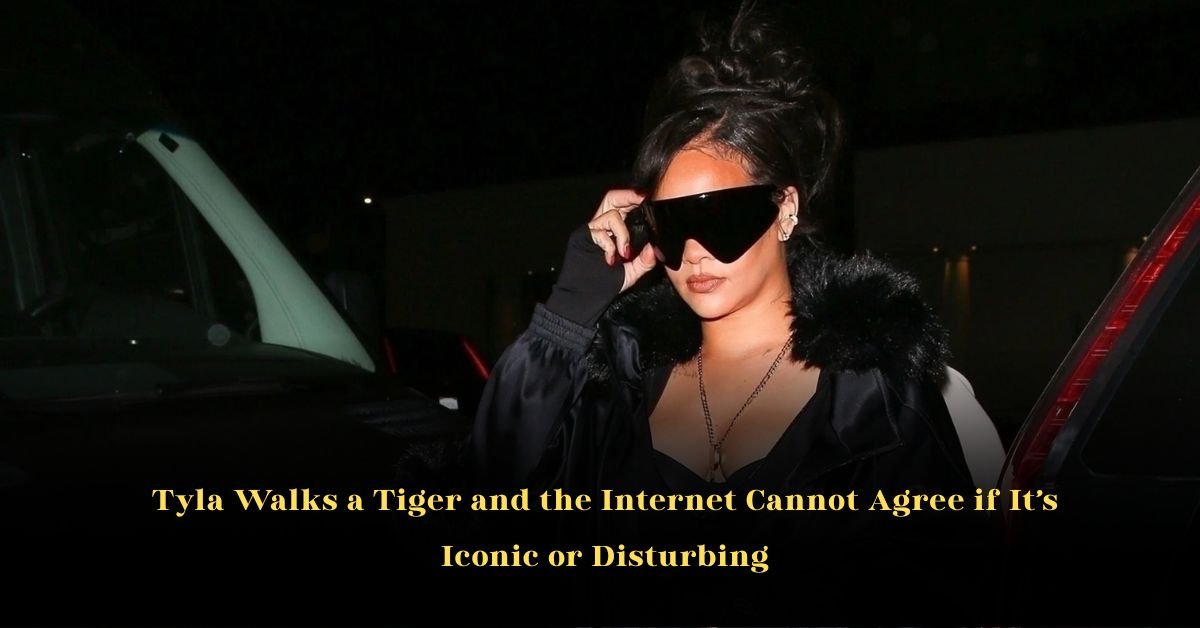
South African Pop Star Tyla Ignites a Global Firestorm
Tyla, the popular singer from South Africa famous for the song “Water,” is just as noticeable off-stage as she is on it. The singer started a huge fight on social media after she posted a video on Instagram. In the video, it looks like she is walking a tiger on a leash. This video immediately caused a big disagreement on the internet. People were forced to have a serious, and angry, talk about when famous people use animals and if it is right to show wild animals in pop culture.
This event quickly became one of the most talked-about celebrity stories of the week. It clearly shows the problem between a famous person wanting exciting, attention-getting pictures and people asking more and more for them to act in a morally right way, especially about animal care. The main question people are asking is simple: Is the picture of Tyla walking a tiger a cool, strong piece of art, or is it wrong because it promotes using wild animals just for show?
The Viral Moment: “Twin, is it Al or just 2 bad b’s”
The short video has been seen millions of times. It shows Tyla looking confident while walking a large tiger held by a leash. The video looks clearly planned and professionally made to look very striking. Tyla’s caption, “Twin, is it Al or just 2 bad b’s,” suggests she meant it to be fun and challenging.
The fact that the post became so popular right away proves how fast a single moment on social media can become a worldwide topic. But the reaction was not just about her music or clothes; it quickly changed to focus on animal rights. This shows that online users are deeply and increasingly worried about how famous people use their influence and their duty to help protect wildlife.
Public Backlash: Why Critics See Exploitation, Not Art
A large and loud group of people online immediately said the video was bad. For these critics, the picture was not “iconic” but an obvious mistake in behavior. The main reason for the anger is that people think it is morally wrong to use a beautiful wild animal, like the tiger, as a fashion accessory or a prop for social media likes.
The Ethical Misstep: Wild Animals as Props
Critics quickly argued that the video makes it seem normal to treat wild animals, like tigers (which are in danger of becoming extinct), as objects for entertainment instead of living creatures that have complicated needs. They brought up several key worries:
- Treating Wildlife Like Products: They say the tiger was there only for people’s fun. This turns the animal into a product and supports the global desire for exciting moments involving celebrities and exotic animals.
- Harmful Message: By showing an animal on a leash, the video sends a possibly bad message to millions of young followers: that keeping and controlling large, dangerous animals is an acceptable part of a fancy lifestyle.
- Welfare Concerns: Many people asked sharp questions about where the tiger lives, suggesting that animals used for these kinds of shows might not be kept in good, ethical conditions.
These comments show that people on social media are becoming smarter about animal rights. The debate about animal care online is putting more pressure on famous people to act in an open and responsible way.
The Defense: Tyla’s Fans See a Bold Pop Culture Statement
Even with the harsh criticism, Tyla’s loyal fans and many regular viewers quickly defended her. They argued that the problem was too big, aimed at the wrong person, or did not understand the situation.
Context and Over-Scrutiny
The main defense from supporters was to ask people to consider the whole situation. Many suggested that Tyla was probably visiting a proper zoo, animal rescue place, or a professional filming location, and that trained experts were handling the animal. Their arguments included:
- Not Her Direct Fault: Fans argued that the singer being there does not mean she is directly responsible for the animal’s daily care or living conditions. They suggested the criticism should go to the place that provided the animal, not the celebrity who hired them.
- Too Much Focus on Celebrities: Some felt the backlash was just another example of the internet unfairly making a celebrity’s actions seem bigger than they are. They saw it as an attempt to find a mistake when the original goal was only creative or symbolic.
Artistry vs. Accountability
From an art viewpoint, many fans defended the video as a strong picture. They said it fits with the long history of music artists using striking, sometimes shocking, symbols in pop culture. For them, the image shows strength, power, and strong confidence—qualities that Tyla represents as a rising star. The tiger is not seen as a real animal, but as a symbol for the artist’s growing power in the music world.
ALSO Read: TLC Fans Spot Tell-Tale Sign That New Reality Series Suddenly Amish is ‘Fake’ as Trailer Drops
The Divided Digital Landscape: Celebrity Culture and Ethical Responsibility
The strong disagreement over Tyla’s actions highlights a big change in what people expect from famous people now that we have the internet. Unlike in the past, today’s stars are watched all the time, all over the world, for their ethics. Every action, seen through the lens of worldwide social media, is immediately judged against what is considered right and moral today.
This viral event is a small example of the fight between two modern forces: the need for unique content that gets attention (the “Iconic” side) and the rising global standard for animal rights and ethical behavior (the “Disturbing” side). As millions of followers watch, the choices made by people like Tyla have real effects. They either promote respect for wildlife or accidentally support businesses that rely on showing off animals. The sheer amount of reaction confirms that audiences are increasingly using their collective voice to demand that famous people are held more responsible for their actions.
Conclusion
Whether it will be remembered as a cool picture that perfectly captured a moment in time or as a moral mistake that failed to meet modern care standards, Tyla’s viral tiger video has definitely made a lasting impression online. It successfully reached its first goal of getting huge attention. However, it came at the cost of starting an angry and ongoing debate about animal care. The controversy is a clear lesson for all public figures: in a time when people care more about ethics, the audience will always judge the decision to use wild animals in creative projects as a question of responsibility, not just art. The exciting show is over, but the talk about famous people using exotic animals is just starting.
Disclaimer
The news information presented here is based on available reports and reliable sources concerning a viral social media event. Readers should cross-check updates from official news outlets and animal welfare organizations for further context.