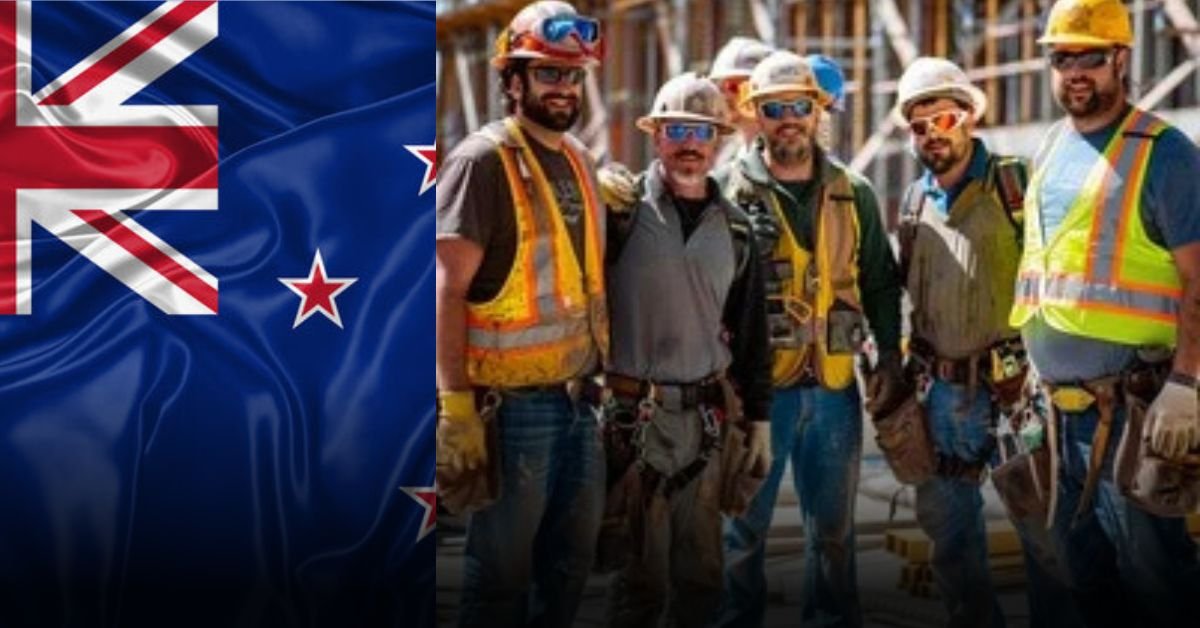
The New Zealand construction landscape is undergoing a massive transformation in 2026. With the rise of massive infrastructure projects and a shift toward high-performance delivery, the industry has moved beyond simple “manual labor.” Today, success on a Kiwi worksite depends as much on your communication style as it does on your trade skills.
Whether you are an apprentice in Christchurch or a site manager in Auckland, understanding the “Human + Tech” mindset is your key to job security and career growth. This guide breaks down exactly what employers expect from you in 2026.
Teamwork & Collaboration: The “Kiwi” Way
In New Zealand, we call good teamwork “Working Better Together”. In 2026, we do not have very strict bosses anymore. Now, everyone works together as one big team.
The Collaboration Matrix
Here are some key words and what they mean on the job site.
Operational Synergy
- Cross-trade collaboration: This means you work well with people from other jobs. For example, plumbers, electricians (we call them sparkies), and scaffolders. You work together so there are no problems or clashes in the project.
Interaction Style
- Free-flowing communication: You share news fast. If you see a danger or a delay, tell everyone right away. It does not matter if they are your boss or not. All people on site need to know.
Team Structure
- Alliancing & Partnering: This is very common in 2026. Many different companies come together. They work like one big team for the whole country. They share the work and the problems.
Knowledge Sharing
- Mentoring / Buddy System: Old workers with a lot of experience teach new workers. The old workers share their tips and tricks. This helps the new people learn fast and do good work.
When everyone works together like this, the job goes faster. It is safer and costs less money. If you help others and share your ideas, bosses see you as a good worker.
Job Expectations: Productivity through Reliability
In 2026, bosses want workers who can change fast. We call this being agile. The house building work is okay now, but big road and bridge jobs are growing very fast. Workers who can learn new things and move to new places get the best jobs.
Reliability (The Backbone)
In New Zealand, you must always be reliable. Come to work on time every day. Do not be late or miss days. Many bosses say this is more important than very high skills, especially for new workers. If you are always there, people trust you.
Digital Literacy
You need to be okay with using phones and computers on the job. Most sites use the same tools for everyone. We call this a Unified Tech Stack. Examples are:
- Apps on your phone to check safety rules for the site.
- Special programs like BIM to see 3D plans on your phone or tablet.
You do not have to be very good at the start. Just be ready to learn and use them every day.
Self-Management
Do not only work hard. Work in a smart way too. Look around and see if some jobs can be easier. If you find a better way to do something, tell your boss or foreman. Good workers look after their own jobs and help make the team better.
If you are reliable, good with tech, and manage yourself, you will get more chances. You can earn more money too.
Health, Safety & Wellbeing: A “People First” Culture
Safety is the most important thing in New Zealand construction. The main law is the Health and Safety at Work Act. We call it HSWA. In 2026, we care even more about mental health and stress from work.
Your Safety Responsibilities
- PCBU & Duty Holders The law says every person on site has a job to keep things safe. This means the big boss, the managers, and normal workers like you. Everyone must be careful and help others stay safe.
- SiteSafe Passport You still need this card to work on big sites. Keep it new and up to date. If it is old, you cannot go on many good job sites.
- Mental Health First Aid In 2026, we try hard to stop bullying. We also help with stress from work. It is okay to talk if you feel bad or too much pressure. Many sites teach people how to help with mental health. Look after your friends on site. Ask for help if you need it.
- The “Timeout” Rule If you see something dangerous and no one has fixed it, you can stop the work. Just say “timeout”. Everyone must stop and fix the problem first. You have the right to do this, and bosses expect you to do it.
We put people first. This means we care about your body and your mind. When workers feel good, they do better work.
2026 Industry Drivers: The Big Picture
If you want to do very well in your job, know the big plans for construction in New Zealand.
Sustainability
The big goal for 2026 is “Net Zero”. This means we make almost no bad waste for the environment. You will see:
- Use materials from near the site.
- Rules to make less rubbish.
- Recycle things as much as we can.
Every worker helps make building work better for the planet.
Two-Speed Labour Market
Some places have many new jobs, some have less. The places with the most jobs are Auckland, Hamilton, and Tauranga. We call this the “Golden Triangle”. If you can move there, you will find more work.
“Mana” and Community
All projects must be good with local Māori people and the community. Make friends and show respect. The way you act gives respect (mana) to your team and your company.
When you know these big things, you can choose better for your future work.
Interactive: Are You Ready for a 2026 Site?
Quick Check
Think about these questions:
- Do you have a new SiteSafe Passport?
- Can you use apps like BIM to see plans on your phone?
- Do you know what you must do under the HSWA law?
If you say no to any question, start fixing it now. These things help you get good jobs and keep them.
Key Takeaway for 2026
You can learn technical skills at work. But your attitude and how you talk to people are very hard to change. They help you have a long good career. Show that you care about safety and working with the team. This is what good Kiwi workers do in 2026.
Disclaimer: This information is only to help you learn. It is not official advice. Always check with real bosses or government sites like Employment New Zealand or WorkSafe NZ.