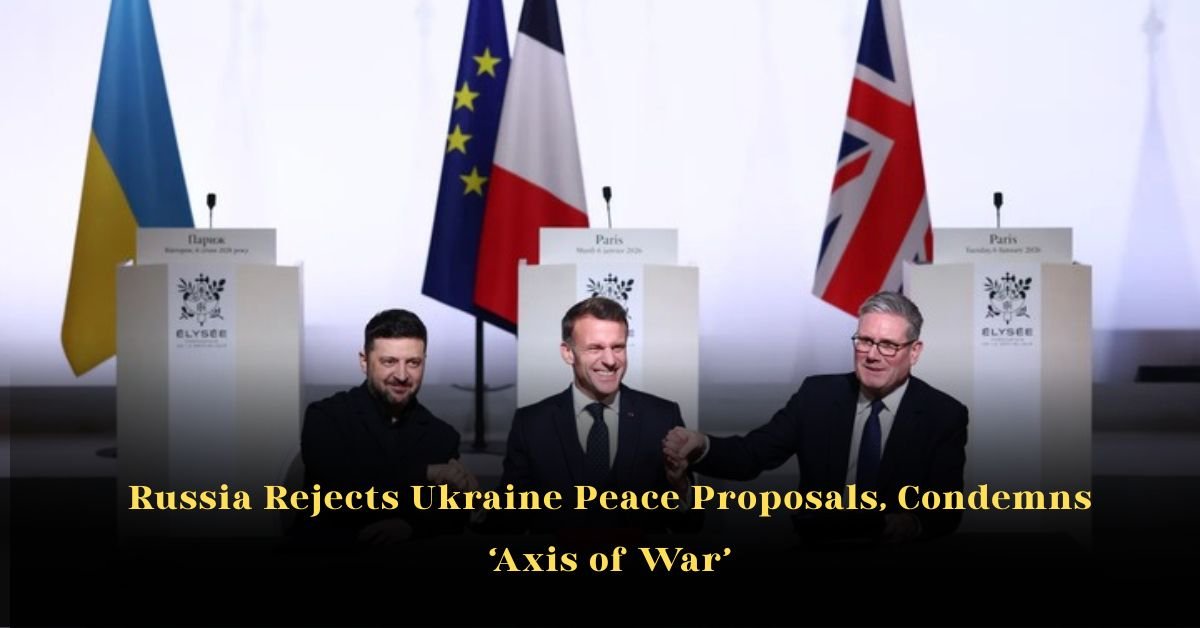
The world situation in 2026 is very tense. Russia has completely rejected a major international peace plan. This plan was led by a Western group called the Coalition of the Willing. The idea was to send international peacekeeping soldiers to Ukraine after the war to help keep peace. But Russia’s strong “no” has stopped talks and made people more afraid of a bigger fight between Russia and the West.
A Stalled Diplomatic Initiative: The “Coalition of the Willing” Plan
The effort to find peace for Ukraine hit a big problem this week. The plan wanted to put Western peacekeeping troops in Ukraine after the fighting stops. The goal was to stop future attacks. For Ukraine’s government, this safety promise was the most important part of any peace deal. It would create a physical barrier that earlier promises did not have.
Leaders in Europe and North America were hopeful. But Moscow’s answer was fast and harsh. By saying no to foreign soldiers, Russia has broken the current plan for a peace deal. This leaves world leaders stuck with no way to move forward.
A Firm Rejection and Stark Warning from Moscow
Russian officials clearly said no. They stated that any Western peacekeepers in Ukraine would be seen as “legitimate military targets.” This is not just talk. It is a serious warning. Moscow says these forces would be a type of “occupation,” not a neutral peace mission.
Why Russia Views Peacekeepers as Targets
- Feeling Surrounded: Moscow sees Western soldiers in Ukraine as a direct danger to its safety and power in the region.
- Claims of Control: Russia says outside military help interferes in an area it believes it should control.
- Scare Tactic: By saying they will attack peacekeepers, Russia hopes to scare NATO countries from sending troops.
This position attacks the core of the safety promises Ukraine says it needs to survive. Russia sees these forces as just more Western help for Ukraine, which it hates. This closes a possible path for talking about safety after the war.
Condemnation of the “Axis of War”
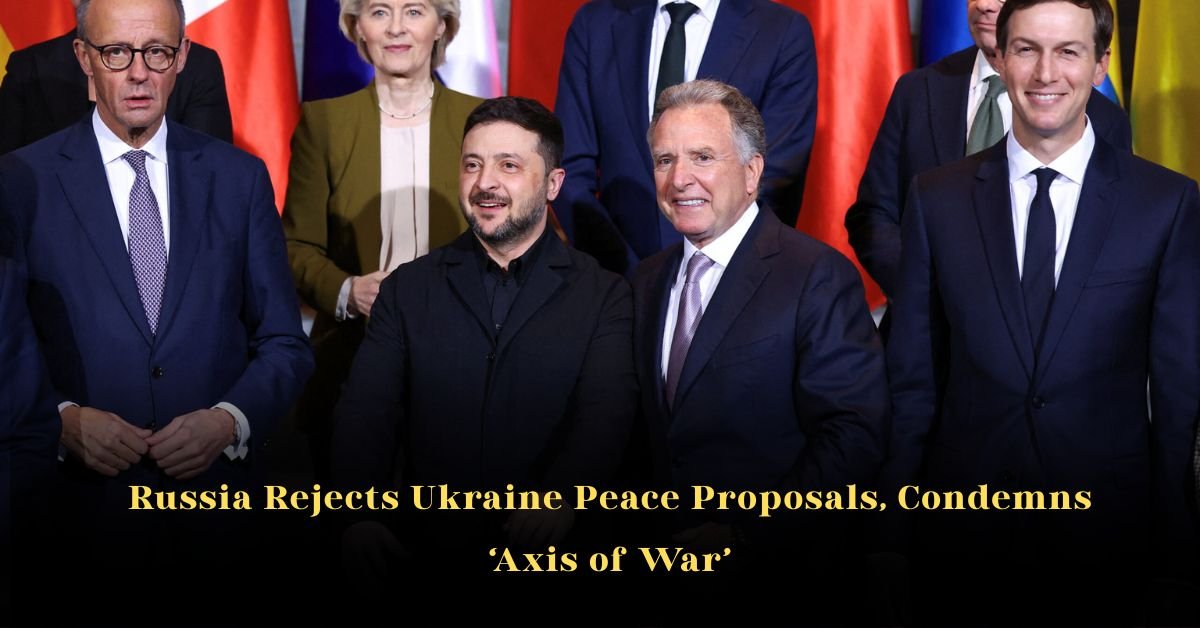
Russia framed its rejection around its story against countries that help Ukraine. Russian leaders insulted the Coalition of the Willing—which includes the U.S., UK, Poland, and Baltic states—calling them an “axis of war.” Moscow says these nations are making the war longer by sending weapons, not looking for “real peace.”
This angry language shows the big split between sides. The words “axis of war” are chosen to make Western help look like an attack. To Russia, the peace plan was not a real offer of peace. It was a trick to put Western military power right next to Russia.
ALSO Read: Dana White Confirms Arman Tsarukyan Headbutt ‘100%’ influenced title shot snub
Implications for Ukraine and Future Negotiations
For Ukraine, the international peacekeeping force was key to keeping it safe after the war. The threat to attack these forces is a huge problem for Ukraine’s leader, Zelenskyy. Now Ukraine must look for other safety plans. This could mean direct defense deals with other countries or trying to join NATO faster. But both of these are things Russia says it will never accept.
Right now, the talks are stuck. The big problems about power and safety in the region cannot be solved. If both sides cannot agree on a neutral group to keep peace, the war might drag on or freeze into a long-term standoff.
FAQs: The Future of Peacekeeping in Ukraine
What is the “Coalition of the Willing”?
It is a group of nations, mostly from NATO and the EU. They are ready to send soldiers and support for peacekeeping in Ukraine without a full UN order. They do this because Russia would probably block a UN order.
Why did Russia reject the peacekeeper proposal?
Russia sees Western troops in Ukraine as a direct military threat. They believe these forces would be used to make the Ukrainian army stronger, not to keep peace.
What are “security guarantees” in this context?
These are promises from other countries to defend or help Ukraine if it is attacked again after a peace agreement is signed.
Conclusion
Russia saying no to the peacekeeping plan is a serious moment in the 2026 peace efforts. Russia keeps making threats, and the West keeps supporting Kyiv. The middle ground is getting smaller. The world must now choose: try to give Ukraine safety promises even with Russia’s warnings, or look for a completely new way to talk about peace.
Disclaimer
The news information presented here is based on available reports and reliable sources. Readers should cross-check updates from official news outlets.