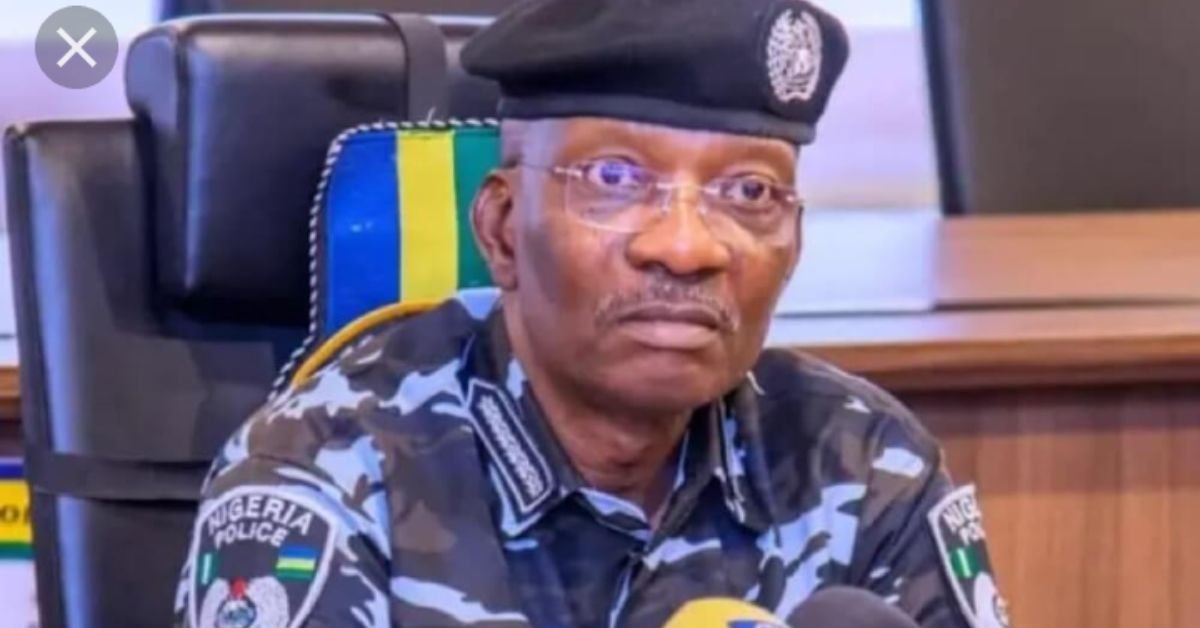
The statement by the IGP that the army is not the nations first line of defence has sparked widespread reactions from a range of stakeholders This article explores the remarks responses implications and what it means for civil military balance in Pakistan .
In a striking statement the Inspector General of Police IGP asserted that the armed forces are not the nations first line of defence This comment has triggered a flurry of reactions across political parties civil society media analysts and security commentators The discussion now centres on the respective roles of the army civil institutions and internal forces in safeguarding the country This article presents a comprehensive look at the editorial public and institutional fallout from that statement and explores its deeper implications .
What Did the IGP Actually Say
The crux of the matter lies in the remark by the IGP in which he declared that the army does not constitute the first line of defence for the nation The exact wording and context have become the subject of detailed scrutiny While official transcripts remain limited the statement appears to emphasise that internal security policing law enforcement and civilian institutions must be the primary shield of the state with the army serving a complementary or backup role .
Also Read : Kwankwaso Calls for Kanu Case to Be Dropped and Signals Northern Campaign Support for BAT
Reactions from Political Parties
The IGPs comment was met with rapid responses from major political parties .
- Some opposition groups welcomed the statement interpreting it as a shift towards empowering civilian institutions and reducing the dominance of the military narrative .
- Government aligned parties on the other hand expressed concern arguing that such remarks might undermine public confidence in the armed forces and send the wrong signal at a time of external and internal security threats .
- Smaller parties and independent voices stressed that the statement opens up a necessary debate about institutional roles but cautioned against politicising the armed forces for partisan advantage .
Responses from Security Experts and Analysts
Security analysts have offered a mixed assessment of the remark .
- On one side commentators highlighted that the statement could reflect a healthy push for stronger more modern internal security architecture where the police and paramilitary hold the front line in day to day threats while the military engages external defence and major contingencies .
- On the other side some raised alarm arguing that downplaying the armys primacy could embolden adversaries or create confusion about who is responsible for what in a crisis .
- A recurring theme In countries like Pakistan where external threats and internal insurgencies often blur clear delineation of roles is critical hence such statements stir concern just as much as support .
Institutional Implications
The IGPs statement has potential implications for how key institutions view and enact their roles .
- Civil Law Enforcement By positioning the police and civilian agencies as the first line the statement indirectly calls for increased resources training and capacity building for internal security bodies .
- Military Doctrine The armys doctrine may come under renewed scrutiny especially in relation to how internal security versus external defence responsibilities are defined .
- Civil Military Relations The comment touches on one of Pakistans perennial issues the balance between civilian and military power Recasting roles can lead to institutional repositioning and potential turf battles .
- Public Perception For the public the notion that the army might no longer be perceived as the primary shield could affect morale trust and the symbolic role of the military in national identity .
The Broader Security Landscape
It is crucial to situate this debate within Pakistans broader security context .
- The country faces both external threats border tensions regional rivalries and internal challenges terrorism insurgency law and order issues .
- Historically the army has held a dominant position in defence policy and national security strategy Thus the IGPs statement may mark an attempt or at least a trigger to evolve or recalibrate that paradigm .
- While the army remains essential to national defence the idea here may be to emphasise preventive security policing intelligence law enforcement as the first responders to threats before a military mobilisation becomes necessary .
Public and Media Debate
The statement quickly became fodder for media headlines social media commentary and public debate Some key themes emerged .
- Supportive voices Advocated stronger civilian oversight modernisation of internal security agencies and less militarisation of routine security tasks .
- Critical voices Warned that this could blur lines of responsibility weaken deterrence or be misused to diminish the role of the military .
- Neutral observers Suggested that regardless of rhetoric the practical reality funding authority equipment will determine how this shift plays out intentions alone are insufficient .
What Might Happen Next
Given the statement and responses several developments could unfold .
- Policy and Strategy Review The government might launch a review of defence and internal security policy to clarify institutional roles budgets and command structures .
- Capacity Strengthening The police and internal security apparatus may see calls for increased funding training and equipment to assume the first line responsibility in practice .
- Military Positioning The army may respond by publicly reaffirming its primacy in external defence while emphasising collaboration with civil agencies for internal threats .
- Legislative and Oversight Change Parliaments or civil society bodies may push for clearer legal frameworks governing when internal versus external forces act and who leads in which scenario .
Conclusion
The remark by the IGP that the army is not the nations first line of defence has opened up a meaningful conversation about institutional roles power balance and security doctrine in Pakistan While the army undoubtedly remains central to national defence the statement underscores a desire to elevate the importance of civilian security agencies and internal resilience How this debate evolves will depend on political will institutional reforms and the evolving threat landscape For now the conversation itself even if contentious signals a shift or at least a reevaluation of longstanding assumptions .
Disclaimer
The news information presented here is based on available reports and reliable sources Readers should cross check updates from official news outlets .