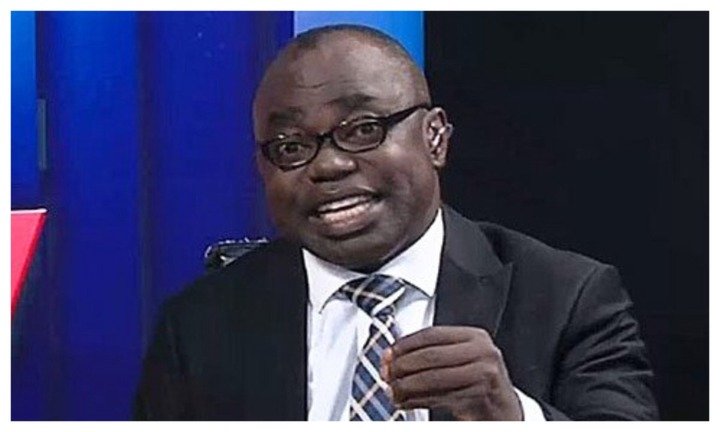
A legal analysis of the executive power to pardon delving into the constitutional basis and historical precedent that establishes a presidential pardon as an irrevocable act once formally accepted .
The power to grant pardons is one of the most significant and historically enduring authorities vested in the Chief Executive of the United States Granted under Article II Section 2 of the Constitution the Pardon Power allows the President to grant reprieves and pardons for offenses against the United States except in cases of impeachment While the initial exercise of this power is entirely discretionary a powerful assertion from a legal expert recently brought the finality of the act into sharp focus President cant take back pardon Lawyer .
This succinct statement underscores a crucial principle in constitutional law once a pardon is legally and formally granted and accepted it is generally considered an absolute and irrevocable act The pardon is not a temporary reprieve or a conditional agreement that the President can unilaterally rescind it is a permanent mark of forgiveness that wipes the slate clean regarding the specific federal offense .
The Constitutional Foundation of Finality
The Constitution grants the President the power to grant Reprieves and Pardons for Offenses against the United States but it does not explicitly address the power to revoke or rescind a pardon The doctrine of irrevocability therefore has been established through legal tradition and judicial interpretation primarily rooted in the concept of a completed executive act .
Also Read : Justice Undermined National Outcry Over Maryam Sanda’s Presidential Clemency
A pardon is considered a deed delivered In a landmark 1915 case the Supreme Court ruled that a pardon reaches both the punishment prescribed and the guilt itself Once this full legal consequence is triggered by the Presidents signature and the pardons delivery the matter is deemed closed To allow a President to revoke a pardon at will would inject an element of instability and political leverage that undermines the very purpose of the pardon power—to provide a definitive act of mercy or justice The only condition under which a pardon might be legally challenged is if it were procured by fraud or deception but even in such rare cases the legal action to nullify the pardon would have to be initiated by the Department of Justice and ultimately ruled upon by a court—it would not be a simple unilateral executive action .
Historical Precedent and Legal Interpretation
The irrevocability principle is not just a theoretical construct it is a practical safeguard against the abuse of executive power Legal scholars generally agree that once a President grants a pardon the executive branchs authority over that specific matter is exhausted .
Consider the potential chaos if a President could reverse a pardon based on a change of political heart new personal animosity or public pressure A revoked pardon would thrust an individual who believed their debt to society was paid back into a state of legal jeopardy This uncertainty would violate the fundamental legal principle of finality and due process The only condition under which a pardon might be legally challenged is if it were procured by fraud or deception but even in such rare cases the legal action to nullify the pardon would have to be initiated by the Department of Justice and ultimately ruled upon by a court—it would not be a simple unilateral executive action .
The mechanism is simple a pardon is issued it is accepted either explicitly or implicitly through continued freedom from punishment and the legal effect is immediate and permanent The act transforms from a discretionary executive decision into a legal reality that cannot be undone by the executive who granted it .
Conditions vs Revocation A Key Distinction
It is important to differentiate between a revocation and a conditional pardon A President can issue a pardon that is contingent upon certain conditions—for example the recipient refraining from a specific action or performing community service If the recipient violates these pre-determined explicit conditions the original pardon can be legally voided and the individual may be subject to the original sentence .
However the lawyers assertion specifically addresses the scenario of a President attempting to simply take back a full and unconditional pardon after it has been issued and accepted The ability to revoke an unconditional pardon would be tantamount to giving the President the power to grant temporary forgiveness which is contrary to centuries of legal tradition .
The power to pardon is thus a one-way street it is a solemn and weighty power that once exercised binds the government It represents the ultimate check on the judicial and legislative systems providing an avenue for clemency that cannot be reversed by the executives subsequent change of mind .
In conclusion the lawyers statement—President cant take back pardon—serves as a powerful reminder of the stability inherent in the US legal framework It protects the integrity of the presidential pardon power ensuring that a grant of clemency is a definitive and unchallengeable act of finality serving the overarching goal of justice and legal certainty .
Dynamic Disclaimer Requirement
**Disclaimer The news information presented here is based on available reports and reliable sources concerning constitutional law and executive power Readers should cross-check updates and specific legal interpretations from official news outlets .