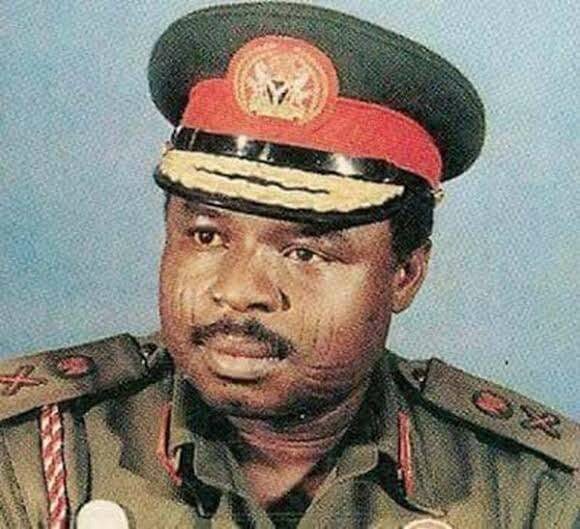
In a sweeping act of clemency President Bola Ahmed Tinubu has pardoned 175 persons including nationalist Herbert Macaulay Major General Mamman Vatsa and Ogoni activist Ken Saro Wiwa This article highlights the full details background and implications of this historic decision .
In a remarkable exercise of presidential mercy President Bola Ahmed Tinubu has granted pardons and clemency to 175 individuals including historic national figures such as Herbert Macaulay Major General Mamman Jiya Vatsa and Ken Saro Wiwa The decision which was approved by the National Council of State followed the recommendations of the Presidential Advisory Committee on the Prerogative of Mercy PACPM This move represents a significant effort by the administration to promote justice reconciliation and national unity while addressing historical wrongs and social healing .
The initiative also highlights the government’s commitment to human rights and compassion particularly toward individuals and families affected by controversial convictions or harsh penalties The presidential pardon comes as part of broader efforts to reform Nigeria’s justice system and promote fairness .
Also Read : Osimhen Reveals How Napolis De Laurentiis Forced His Contract — Transfer Bombshell
Key Details of the Pardon Exercise
A total of 175 individuals benefited from the presidential act of mercy These pardons were granted in various forms including full release reduction of prison sentences and commutation of death penalties Out of this number 82 inmates received full clemency and were released 65 others had their prison sentences reduced while seven death sentences were converted to life imprisonment Additionally several posthumous pardons were approved for historical figures whose convictions had remained on record long after their deaths .
The process began after the Presidential Advisory Committee on the Prerogative of Mercy chaired by the Attorney General and Minister of Justice Lateef Fagbemi SAN reviewed and recommended the list for approval The National Council of State ratified the recommendations after carefully reviewing the committee’s findings In total 294 cases were reviewed including 175 direct inmate interviews and 119 applications submitted by others Following these deliberations the committee recommended 82 persons for clemency two for full pardon 65 for sentence reduction and seven for commutation of death sentences .
Notable Recipients and Historical Significance
Herbert Macaulay
Herbert Macaulay regarded as one of Nigeria’s founding fathers was convicted by colonial authorities in 1913 and barred from public service Although he passed away in 1946 his conviction remained officially recorded President Tinubu’s decision effectively clears his name restoring the dignity of one of Nigeria’s greatest nationalists .
Major General Mamman Jiya Vatsa
Major General Mamman Jiya Vatsa a poet and military officer executed in 1986 for alleged treason under a military regime also received a posthumous pardon This marks nearly four decades since his death and symbolizes national reconciliation with the past .
Ken Saro Wiwa and the Ogoni Nine
Ken Saro Wiwa a globally recognized environmental and human rights activist alongside the other Ogoni Nine who were executed in 1995 under the Abacha regime were also granted posthumous pardons Their deaths had drawn worldwide condemnation and symbolized the struggle for environmental justice in the Niger Delta With this pardon their legacies are officially rehabilitated Saro Wiwa was also conferred with the national honour of Commander of the Order of the Niger CON recognizing his contributions to justice and environmental advocacy In addition the Ogoni Four Chief Albert Badey Chief Edward Kobani Chief Samuel Orage and Theophilus Orage were honoured with the Order of the Niger .
Other Beneficiaries
Other individuals who benefited from this act of clemency include former lawmaker Farouk Lawan convicted of bribery Mrs Anastasia Nwaobia Hussaini Umar Ayinla Saadu Alanamu Nweke Francis Chibueze who was serving a life sentence for drug related offences and Dr Nwogu Peters who was serving a lengthy term for financial fraud .
Criteria and Humanitarian Considerations
The Presidential Advisory Committee outlined several factors considered in granting the pardons These included old age particularly for individuals above 60 years terminal illnesses and serious health conditions youthful offenders under the age of 16 long term incarceration with consistent good conduct evidence of rehabilitation and remorse as well as positive recommendations from correctional institutions and community leaders In some cases advocacy from families and civil society organizations also influenced the decision .
The overall aim was to uphold compassion and justice ensuring that the act of mercy was guided by fairness equity and national healing .
Implications and Public Reactions
The decision to pardon historical figures such as Herbert Macaulay Mamman Vatsa and Ken Saro Wiwa carries deep symbolic value It demonstrates a national willingness to revisit and correct historical injustices while promoting unity and reconciliation Many Nigerians view the gesture as a long overdue acknowledgment of sacrifices made by these individuals for the nation’s progress .
Legally the exercise reinforces the constitutional authority of the president under Section 175 of the 1999 Constitution to grant clemency and pardon offenders It also reflects an evolving justice philosophy that prioritizes restorative justice over strict punishment The transparent and systematic process used by the PACPM may also set a new precedent for future exercises of presidential mercy .
However some analysts and critics caution that pardons should not be politicized or selectively applied They argue that while mercy is vital justice must remain balanced and the process should maintain credibility Nonetheless this act of clemency is largely being celebrated as a moral and humanitarian victory for Nigeria .
Conclusion
President Tinubu’s decision to grant pardons to both living and deceased individuals marks a powerful moment in Nigeria’s journey toward justice reconciliation and national unity By revisiting the past and recognizing those who contributed to the nation’s growth this act of mercy underscores the importance of forgiveness and historical correction It also strengthens public trust in the justice system and highlights the role of compassion in governance .
The legacy of this decision will likely continue to shape national discourse around justice reform unity and the enduring power of forgiveness .
Disclaimer:
The news information presented here is based on available reports and reliable sources Readers are encouraged to verify and cross check updates from official government statements and credible news outlets .