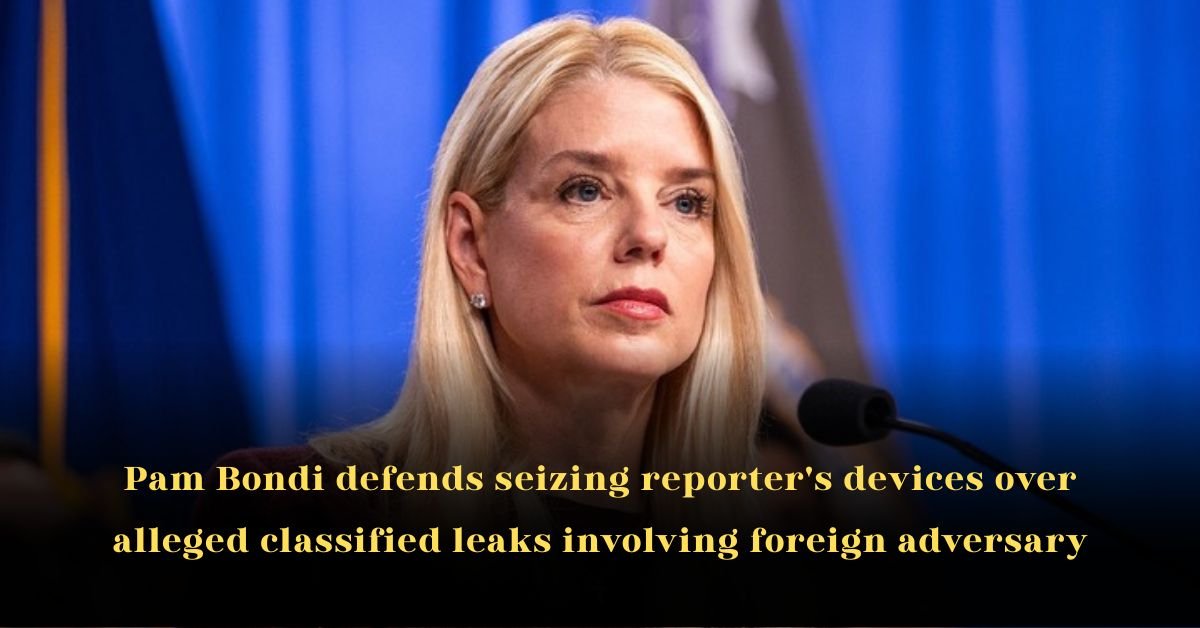
There is a big fight between national security and the First Amendment. Attorney General Pam Bondi has defended the FBI. The FBI took the electronics of a well-known Washington Post reporter. This happened in early January 2026. It shows the government is getting much stricter about stopping leaks. Bondi says these strong actions were needed. She says there was a “grave risk” to the United States. This risk involved a foreign enemy and the alleged theft of very sensitive intelligence.
The War Department Contractor and the Leak Investigation
The search warrant was for Hannah Natanson. She is a reporter who has won awards. She writes about government workers and how agencies change inside. FBI agents went to her home in Virginia. They took her personal phone, two laptops, and a smartwatch. Justice Department officials say this is part of a national security investigation. They are looking at a War Department IT contractor. The contractor is accused of leaking classified details. Officials say the leaks could “jeopardize lives” if people know about them.
The main person in the federal probe is Aurelio Perez-Lugones. He is a systems administrator and Navy veteran. He worked for a Department of War contractor in Maryland. He was arrested and charged under the Espionage Act. He is accused of getting, printing, and keeping classified reports without permission. The contractor is the main focus of the criminal charges. But the raid on the reporter’s home suggests investigators want to know exactly how the leaked documents moved.
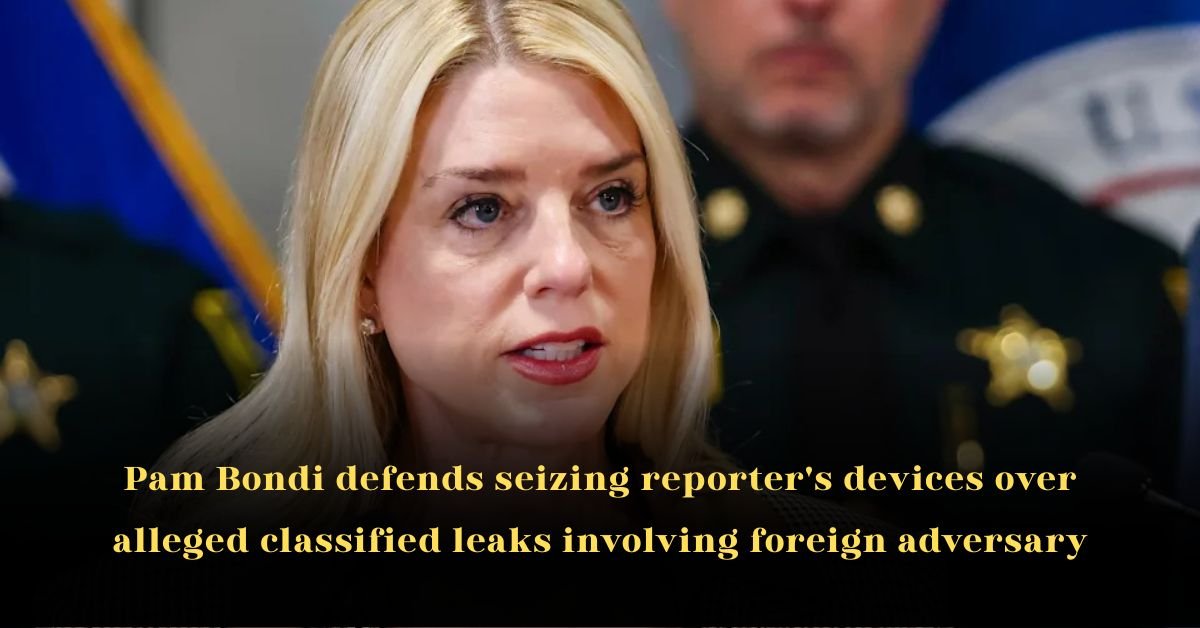
Attorney General Pam Bondi confirmed the search. She said the Pentagon specifically asked for it. Bondi said the journalist was “obtaining and reporting classified and illegally leaked information.” This information is about U.S. military operations and foreign enemies. By calling this a matter of life and death, the administration is sending a message. They have a “zero-tolerance” policy. This applies to anyone who handles documents the government says are a threat to national safety, including the press.
National Security Justification vs. Press Freedom
The seizure has caused a lot of criticism. First Amendment advocates and media organizations are angry. The Washington Post’s executive editor, Matt Murray, said the FBI’s actions were “extraordinary” and “aggressive.” He said it raises big questions about constitutional protections for journalists. The government says Natanson is not a “target” of the investigation. But taking her devices lets the FBI see her whole network of confidential sources. Many of these sources are whistleblowers inside the government.
Legal experts note this follows a decision by Bondi in April 2025. At that time, she reversed Biden-era policies. Those policies mostly protected journalists from having their records seized in leak investigations. Under the new rules, the Justice Department can again use subpoenas and search warrants against the media. This can happen in cases about “unauthorized disclosures.” This change shows the old problem. The executive branch must protect state secrets. But the public has a right to be informed about the government by a free press.
ALSO READ: Donald Trump Sends Bizarre Email to Supporters About ‘Sitting Alone in War Room’
Broad Legal Context: A Pattern of Aggressive Enforcement
Bondi defended the device seizure along with other enforcement actions. This includes a crackdown on a separate group against I.C.E. This suggests the current Justice Department, led by Bondi and FBI Director Kash Patel, is being more aggressive. They are taking a stronger position on many fronts of law enforcement and national security.
Groups like the Reporters Committee for Freedom of the Press have filed motions. They want to unseal the search warrant materials. They argue the public needs transparency. Without it, people cannot judge if the government’s reason for the raid was good enough. The legal bar for infringing on journalistic work is very high. The case against Perez-Lugones is in the Eastern District of Virginia. The legal community will watch closely. They want to see if this sets a new precedent for how the government handles a reporter simply keeping classified material.
Core Details of the Federal Investigation
- Primary Individual: Hannah Natanson (The Washington Post)
- Alleged Leaker: Aurelio Perez-Lugones (War Department IT Contractor)
- Devices Seized: Phone, Smartwatch, Personal Laptop, Work Laptop
- Legal Basis: Espionage Act / National Security Investigation
- Official Stance: Leak involves a “foreign adversary” and “jeopardizes lives”
Conclusion: The Future of Investigative Journalism
The raid on the reporter’s home is a stark warning. It is a warning to government employees and the journalists who cover them. Attorney General Pam Bondi says these “extraordinary measures” are a last resort. She says they protect the nation from foreign threats. But a chilling effect on investigative journalism is already happening. If reporters cannot promise anonymity to sources because their devices are taken, important information may stop. This information is about government waste, fraud, and abuse.
As this case continues, the balance is hard to find. The government must protect classified details about U.S. security. But the First Amendment must also be upheld. This is one of the most contentious issues in American law. We will have to see if the courts will limit these seizures. For now, the administration has made its position clear. National security will come before traditional press protections.
Disclaimer
The news information presented here is based on available reports and reliable sources. Readers should cross-check updates from official news outlets.