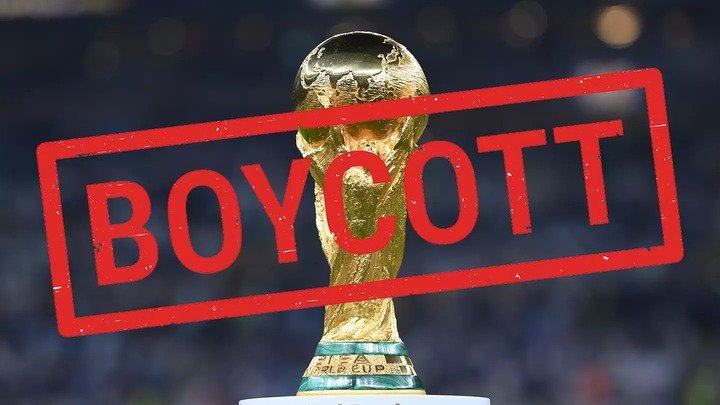
Spain has threatened to boycott the 2026 FIFA World Cup if Israel is allowed to compete This article explores nine nations that have previously withdrawn from World Cup finals the reasons behind those decisions and what Spains threat could mean in this historic context .
Spains Threatened Boycott
Reigning European champions Spain has warned that it may withdraw from the 2026 FIFA World Cup if Israel is permitted to participate The tournament will be jointly hosted by Canada Mexico and the United States With just 18 of the 48 qualifying slots filled so far Spains stance has raised the possibility of a high profile absence from the biggest football stage .
If Spain follows through it would mark the first major World Cup boycott in decades It would also place the team among a select group of countries that have previously withdrawn from the competition whether due to political tensions financial struggles or disputes over the organisation of the tournament .
Also Read : Rotimi Amaechis First Son Weds in Elegant Celebration Wedding Highlights
Historical Boycotts and Withdrawals
Over the years nine countries have made the decision to step back from competing in the World Cup finals Each case carried its own set of circumstances and motivations .
Uruguay 1934
Uruguay were the defending champions but refused to take part in the tournament held in Italy Their withdrawal came in protest at the lack of European participation in the inaugural 1930 World Cup which Uruguay had hosted .
England Scotland Wales Ireland 1934
The four Home Nations declined to enter the 1934 World Cup because they believed their own Home Championship was superior to FIFAs global competition .
Argentina 1938
Argentina pulled out of the 1938 World Cup in protest after France was chosen as host instead of rotating the tournament back to South America Uruguay also joined this protest refusing to participate .
India 1950
India had qualified automatically for the 1950 World Cup in Brazil after other Asian nations withdrew However they themselves chose to withdraw citing a lack of preparation and financial difficulties A common myth suggested India withdrew because FIFA would not allow players to compete barefoot but this has been widely disputed .
Scotland 1950
Scotland earned a spot in the finals but declined to attend because their football authorities had promised only to take part if they won the Home Championship outright which they did not .
Turkey 1950
Turkey also qualified for the 1950 finals but were unable to attend Financial burdens made it impossible for them to send a team to Brazil .
Soviet Union 1974
The Soviet Union refused to play a qualifying playoff match against Chile following the military coup in Santiago They demanded the game be moved to a neutral venue but FIFA rejected the request The USSR withdrew in protest .
African Nations 1966
All African nations withdrew from the 1966 World Cup qualifiers Their collective boycott was a protest against the lack of guaranteed representation for Africa in the finals This action eventually led to reforms and the allocation of dedicated spots for the continent .
Russia 2022
Russia was banned from FIFA competitions following the invasion of Ukraine which meant the team was unable to qualify for the 2022 World Cup While this was a suspension rather than a voluntary withdrawal it remains one of the most significant absences in recent history .
Themes and Implications
These withdrawals reveal three common themes The first is politics Uruguay in 1934 Argentina and Uruguay in 1938 the Soviet Union in 1974 and Russia in recent years all withdrew because of political tensions The second is financial difficulty Both Turkey and India in 1950 could not commit to the cost and logistics of traveling to Brazil The third is sporting pride The Home Nations in 1934 and Scotland in 1950 believed their domestic tournaments or self imposed standards were more important than FIFAs competition .
The collective African boycott in 1966 also showed that when countries unite in protest they can bring about long term changes in global football Spains current stance fits into this historical pattern It is not the first to raise concerns over representation fairness or political principles on the world stage .
Why It Matters
A boycott by Spain would be one of the most significant in modern football As a major European power and former World Cup winner Spains absence would not only affect the quality of the competition but also spark wider debates about the intersection of politics and sport .
It would also place pressure on FIFA to clarify its rules on eligibility and participation particularly in cases where international conflicts spill into football The decision could impact global fans television viewership sponsorship deals and the credibility of the tournament itself .
Spains Potential Withdrawal
If Spain does go ahead with a boycott it could become a defining moment in football history It would highlight the enduring tension between politics and sport and force FIFA to revisit how it manages sensitive international disputes Beyond the immediate impact on the 2026 World Cup such a move could shape how future tournaments are governed and how much influence national politics will have on international sport .
Conclusion
Spains warning to boycott the 2026 World Cup if Israel participates adds a new chapter to the history of withdrawals from footballs most prestigious competition From Uruguays protest in 1934 to the collective African stand in 1966 and Russias exclusion in 2022 the World Cup has repeatedly been affected by forces outside the pitch Spains potential action would continue this pattern but given the countrys stature and influence it could become one of the most significant and closely watched boycotts in the tournaments history .