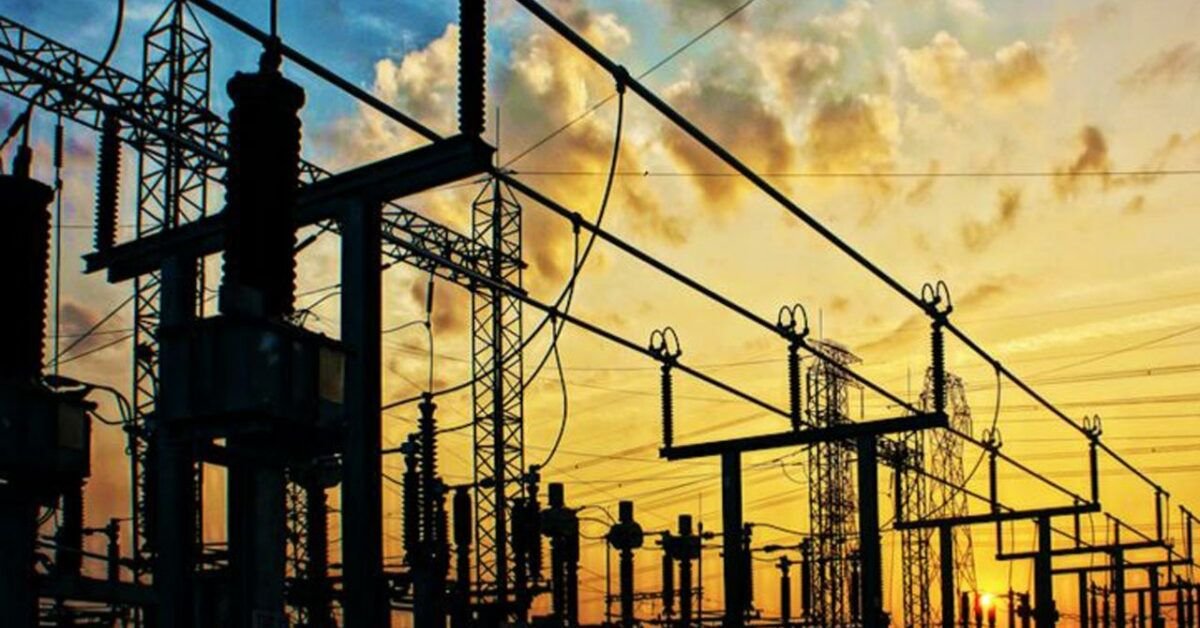
Nigeria has once again experienced a nationwide blackout as its national electricity grid collapsed sparking frustration among citizens and businesses The recurring breakdown of the country’s central power system has raised questions about infrastructure reliability governance and the future of electricity supply in Africas largest economy This incident marks another episode in a series of collapses that have plagued Nigerias power sector for decades While officials often promise reforms the repeated failures show that systemic challenges remain unresolved .
What Happened
Reports confirm that the national grid operated by the Transmission Company of Nigeria TCN suffered a sudden failure leading to power outages across major cities such as Lagos Abuja Kano and Port Harcourt The collapse cut electricity supply to millions of households and businesses throwing entire regions into darkness Although the TCN has not released a full statement early indications suggest that technical faults or generation imbalances triggered the collapse This is similar to past incidents where poor load management and aging infrastructure caused widespread outages .
Also Read : APC’s Tonye Cole Rejects Rivers LG Poll Calls for Democratic Reform
Historical Context of Grid Failures
Nigerias national grid has collapsed multiple times in recent years In 2022 alone it reportedly failed more than ten times making it one of the most unstable electricity networks in the world The causes have ranged from technical faults and gas shortages at power plants to poor maintenance vandalism of facilities and underinvestment in transmission infrastructure Despite being rich in natural gas and renewable energy potential Nigeria struggles to supply stable electricity to its population of more than 200 million The country currently generates less than five thousand megawatts on average while demand is estimated at over thirty thousand megawatts .
Impact on Citizens and Businesses
The immediate consequence of the collapse was a blackout that affected households hospitals schools and companies In many urban areas residents were forced to depend on fuel powered generators which added to living costs especially at a time of rising fuel prices Industries such as manufacturing and telecommunications were also badly hit as unplanned downtime brings heavy financial losses reduced productivity and disruptions to services For small businesses particularly those that cannot afford generators the collapse means complete shutdown The crisis adds more strain to Nigerias fragile economy where unreliable electricity remains a key barrier to industrial growth and foreign investment .
Public Reaction
The news of another grid collapse has stirred anger and disappointment among Nigerians on social media Many citizens voiced frustration that despite years of promises and huge investments in the sector electricity supply remains unreliable Some critics believe the repeated collapses reveal deep rooted corruption mismanagement and lack of accountability Others have urged the government to diversify the energy mix and invest more in decentralized renewable energy solutions to reduce pressure on the national grid .
Government and Stakeholder Response
The Federal Ministry of Power is expected to announce measures to restore supply while the TCN works to stabilize the system Typically after such collapses power is restored gradually through load balancing Experts however caution that short term fixes will not address the deeper issues They stress the need for large scale infrastructure investment stronger regulation and active private sector participation to modernize Nigerias grid and reduce vulnerability to nationwide failures .
Looking Ahead
The latest collapse is another reminder of the fragile state of Nigerias electricity system As population and demand continue to grow the need for lasting reforms becomes even more urgent Experts suggest that decentralizing the grid adopting renewable energy and supporting independent power projects could provide sustainable solutions Without bold reforms Nigeria risks staying stuck in a cycle of collapses that leave citizens and businesses in the dark while slowing economic progress .
Conclusion
The collapse of Nigerias national grid once again highlights the long standing challenges in the power sector Unless serious reforms are carried out and infrastructure is strengthened Nigerians will continue to face frequent blackouts that affect daily life business survival and the nations overall development .