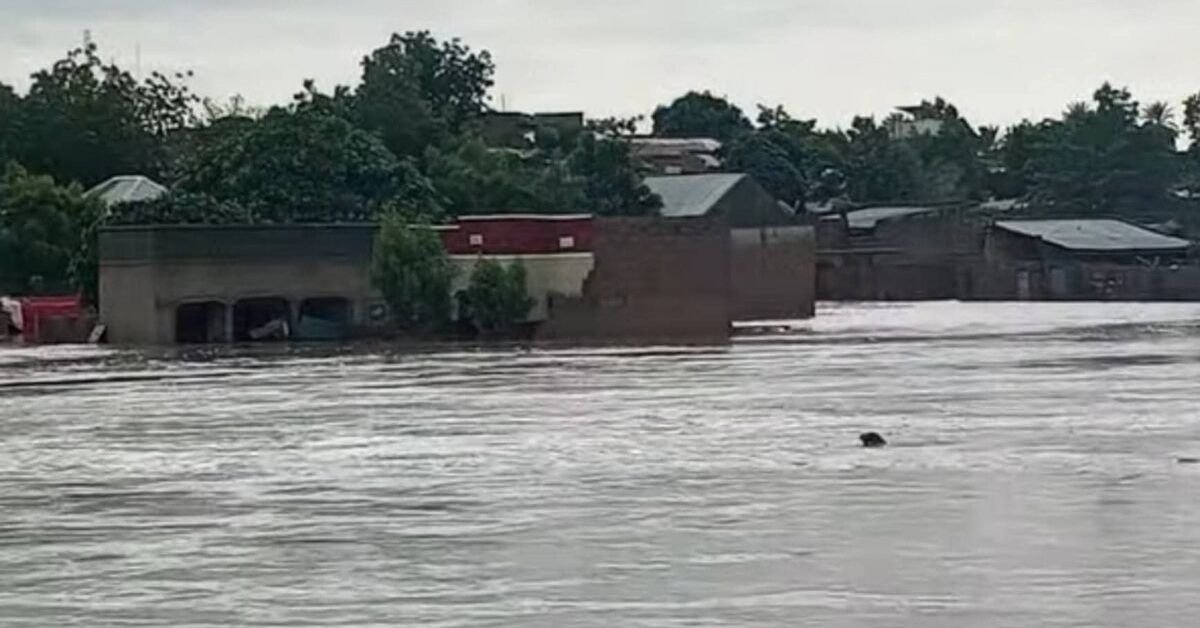
A devastating series of floods has left a tragic toll with 231 confirmed deaths and at least 114 people still missing Triggered by days of relentless rainfall the disaster has submerged towns destroyed infrastructure and displaced thousands of families Emergency workers and volunteers are racing against time to rescue stranded people deliver relief supplies and prevent further loss of life .
Scale of the Disaster
Communities across the region have been swept away as rivers burst their banks and flood defenses collapsed under pressure Roads and bridges lie in ruins while power lines have been cut off leaving several areas completely inaccessible Authorities describe this as one of the worst flood events in decades and warn that the death toll may rise as search teams continue to recover bodies from submerged areas .
Rescue and Relief Efforts
Rescue operations are ongoing with military units local authorities and humanitarian agencies working together Helicopters are being used to reach villages cut off by floodwaters while boats move through submerged streets to evacuate survivors Temporary shelters have been set up in schools and community halls though resources are stretched thin Emergency officials report that more than 50000 people have been evacuated but many still lack clean water food and medical support Aid groups are appealing for urgent donations to sustain relief operations .
Also Read : White Lace Styles That Are Suitable for Ceremonial Occasions
Impact on Families and Communities
For families who have lost loved ones or are still searching for the missing the floods have brought immense grief Survivors speak of terrifying moments as homes crumbled and belongings were swept away within minutes In some areas entire households remain unaccounted for adding to the trauma of already devastated communities Children elderly people and those with disabilities are particularly vulnerable while aid workers report rising cases of injuries infections and stress related illnesses .
Health and Sanitation Concerns
Beyond the immediate casualties health experts warn of a secondary crisis Stagnant floodwaters have increased the risk of waterborne diseases including cholera dysentery and malaria Hospitals many of which have been damaged or overwhelmed are struggling to cope with the growing number of patients In response international health organizations are supporting local authorities with mobile clinics and emergency medical stations while distributing safe drinking water and sanitation kits to reduce the spread of disease .
Economic and Environmental Damage
The economic cost of the disaster is still being assessed but early estimates suggest billions of dollars in losses Vast stretches of farmland have been destroyed threatening food supplies for the months ahead The loss of livestock has worsened the situation for rural families who rely on agriculture to survive Environmental specialists warn that the floods will have long lasting consequences including soil erosion destruction of wetlands and contamination of water sources Recovery and rebuilding will likely take years .
Government and International Response
The government has declared a state of emergency and promised financial aid as well as long term rehabilitation plans Neighboring countries and international organizations are sending assistance in the form of food medical supplies and technical expertise in disaster management However questions are being raised about the lack of preparedness and inadequate early warning systems Many argue that better infrastructure and stronger flood defenses could have reduced the scale of destruction .
Looking Ahead
As rescue operations continue the priority remains finding the 114 missing people and supporting families who have lost everything Despite the devastation communities are showing remarkable resilience as volunteers and relief groups work side by side to provide help Rebuilding will be a long and difficult process but experts stress that lessons must be learned to prepare for future disasters Investment in early warning systems stronger infrastructure and climate adaptation will be critical to protect lives and livelihoods in the years to come .