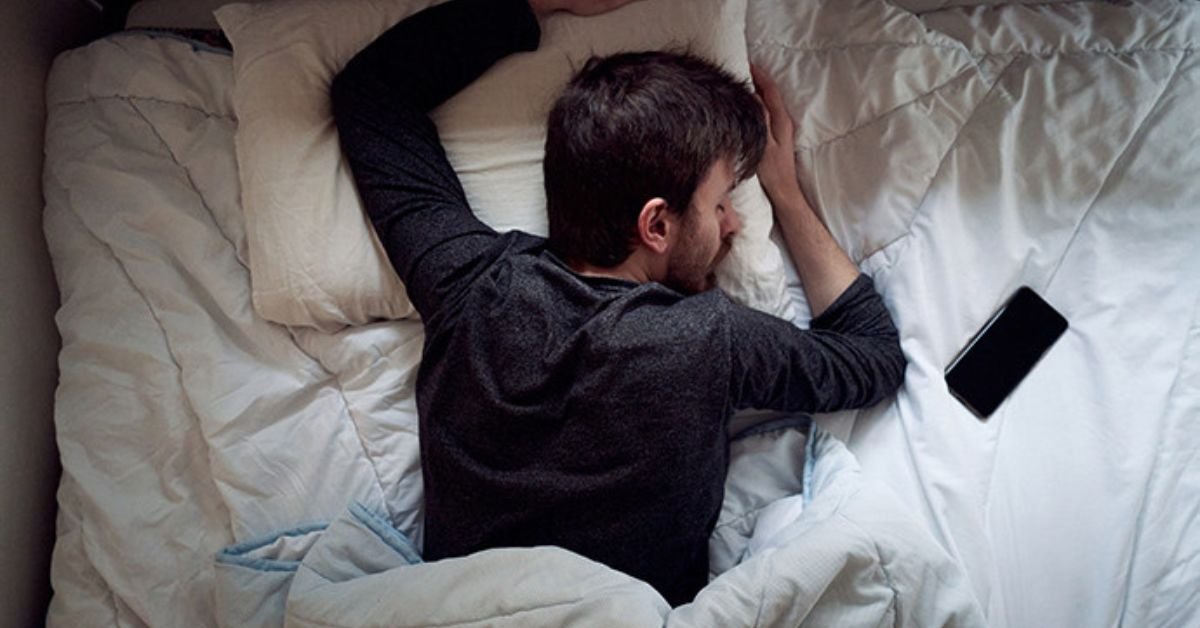
Dangerous Sleeping Styles How Sleep Positions Affect Your Body Health
Discover how common sleeping positions like stomach side and fetal posture can cause body problems such as back pain poor circulation and joint stiffness Learn healthier alternatives for better sleep .
Sleep is one of the most important factors for physical recovery mental clarity and overall health Yet many people pay more attention to how long they sleep than the way they sleep The position we choose at night may feel comfortable but over time it can create stress on the body Certain sleeping styles can strain the spine compress the lungs reduce circulation and leave you waking up sore instead of refreshed Understanding which positions are harmful and how to improve them is key to healthier rest .
Also Read : Export Ban Move Millions of Cashew Farmers May Die Prematurely – Ajanaku NCAN President
Stomach Sleeping Pressure on the Spine and Organs
Sleeping on the stomach is one of the most harmful positions It forces the neck to twist to one side for hours leading to stiffness headaches and even nerve irritation The natural curve of the lower back also flattens which puts extra pressure on the spine and causes back pain In addition lying face down presses on the chest and stomach which can make breathing shallow and digestion less efficient .
Fetal Position Restricted Breathing and Joint Pain
The fetal position where the body curls tightly with knees pulled close to the chest is another common choice While it feels cozy it compresses the lungs and diaphragm which limits deep breathing This reduces oxygen flow and can make you feel more tired during the day Over time the constant pressure on hips and knees can cause stiffness and joint pain especially for older adults or people with arthritis .
Side Sleeping Benefits and Hidden Risks
Sleeping on the side is often seen as one of the better positions but it also has risks Without proper support the spine can bend unnaturally leading to discomfort or misalignment Leaning heavily on one side restricts blood flow and puts strain on the shoulder which may cause tingling or numbness Long term pressure on the face from the pillow can even deepen wrinkles or fine lines Although healthier than stomach or fetal sleeping it still needs the right adjustments to be truly supportive .
Back Sleeping Pros and Cons
Back sleeping generally keeps the spine aligned and evenly supports the body but it is not perfect For people who snore or suffer from sleep apnea this position may worsen airway blockage and reduce sleep quality It can also create discomfort in the lower back if the mattress or pillow does not provide enough support Without something under the knees the lumbar area may arch unnaturally leading to tension and stiffness .
How to Improve Your Sleeping Posture
Better sleep does not always require drastic changes Small adjustments can make a big difference Choosing a pillow that supports the neck and keeps the spine straight reduces unnecessary strain Side sleepers often feel better with a pillow between the knees A medium firm mattress is usually best since it balances comfort with support Stretching or light yoga before bed helps relax the muscles and lowers stiffness caused by poor postures If changing positions feels difficult it is better to train your body gradually instead of forcing an immediate switch .
Conclusion
Sleep is more than just resting time It is when the body heals restores and prepares for the next day Unfortunately certain positions like stomach sleeping the tightly curled fetal posture or unsupported side and back sleeping can quietly create long term health problems Recognizing the risks and adjusting your posture pillow and mattress can help you wake up feeling energized instead of sore By making these small but important changes you protect your spine joints and overall well being while enjoying the deep refreshing sleep your body needs .