Introduction: The Temptation to Look Away
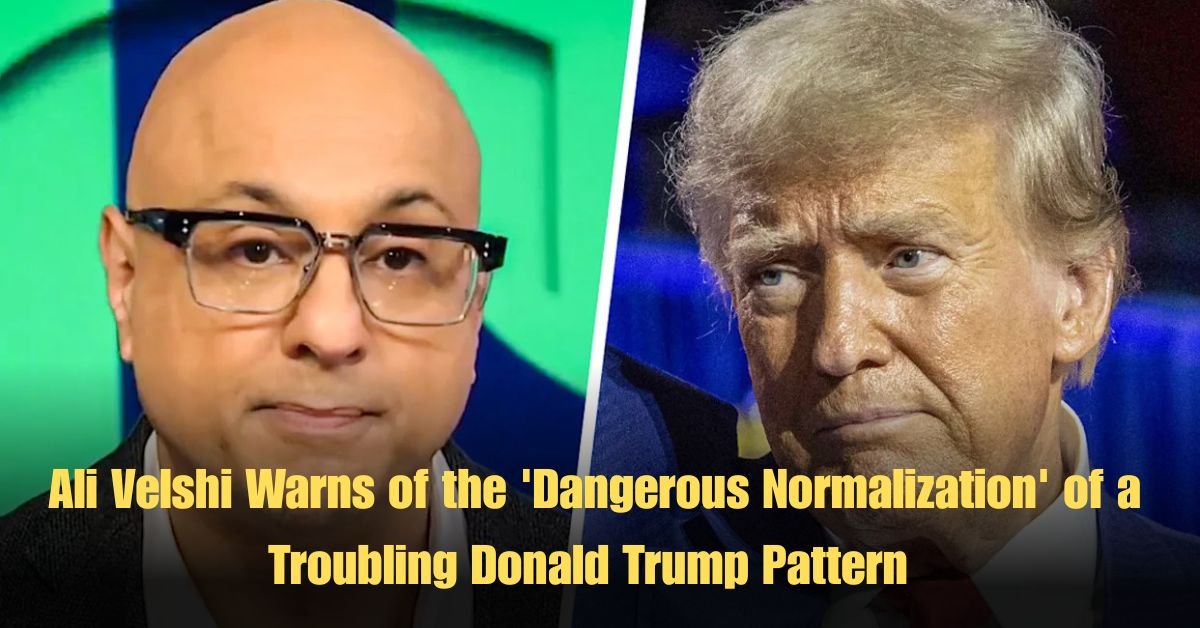
In the dizzying spectacle of modern politics it’s often tempting to find a moment of levity. Yet MS NOW anchor Ali Velshi issued a stark and non negotiable warning,’ we must “resist the temptation to laugh” at the footage showing former President Donald Trump appearing to fall asleep during public events.
Velshi’s recent monologue cuts through the noise, challenging the passive acceptance of what he calls a “troubling Donald Trump pattern.” The clips—which reportedly show Trump appearing to nod off in public multiple times—are not just late-night comedy fodder. They are, as Velshi cautions, “not normal.” This article dives into the core of Velshi’s argument: the pervasive, “dangerous normalization” of alarming behaviors in political discourse.
The Alarming Behavior and the Official Spin
The heart of the issue is the response—or lack thereof—to highly public incidents that raise legitimate queries on the president’s health and fitness. The article highlights two key parts of this troubling pattern:
- The Incidents: Multiple instances in recent weeks where the former President has seemingly appeared to fall asleep during major events.
- The Retaliation: Following a report by The New York Times that questioned his energy levels, Trump reportedly lashed out, an action critics say is a deflection from genuine concerns.
As Velshi points out, The White House and Trump’s allies predictably try to downplay the incidents and attack those who bring it up. They dismiss it as political theater. However this is where the core themes of dangerous normalization come into sharp focus.
Why is This ‘Dangerous Normalization’?
Velshi’s choice of the phrase “dangerous normalization” is deliberate and serves as the primary Core Theme for this discussion. It’s an urgent plea to the public and the media to recognize that dismissing abnormal or alarming behaviors especially regarding the health of a leading political figure sets a toxic precedent.
- Erosion of Standards. By treating a potential health crisis as merely a funny clip the public lowers its expectation for transparency and accountability from political figures.
- Silence on Health. The immediate and aggressive deflection from Trump’s allies makes it incredibly difficult to discuss serious queries on the president’s health without being accused of engaging in “political spin.”
- Distraction from Policy. Focusing on the lightheartedness of a visual moment allows more significant and complex policy issues to be sidelined or ignored entirely.
Normalization makes the unusual seem commonplace dulling the emotional/tone of concern and making the genuinely dangerous feel like “no laughing matter.”
Also Read: The Return of Tomb Raider Teased Ahead of The Game Awards
FAQs
What exactly does Ali Velshi mean by “dangerous normalization”?
Velshi is referring to the widespread tendency to dismiss, joke about or simply accept unusual and potentially concerning behavior (appearing to fall asleep, lashing out at media) from Donald Trump because it has become so frequent. He argues this acceptance is dangerous to political accountability.
Which media out let first reported to concerns about Trump’s energy?
The article mentions that The New York Times published a report that questioned the former President’s energy which prompted negative reaction from him.
Call to Action:
Velshi’s powerful message is a necessary reminder to resist the impulse to see these incidents as mere entertainment. When political figures downplay incidents of concern and their associated entities deflect through aggression the responsibility falls to the media and the voting public to maintain a high bar for scrutiny. It is time as Velshi concluded to call it what it is: dangerous normalization of a very troubling pattern. We must not allow a pattern that is “not normal” to become the new standard.
What do you think the biggest consequence of political normalization?
Share your thoughts in the comments below!