
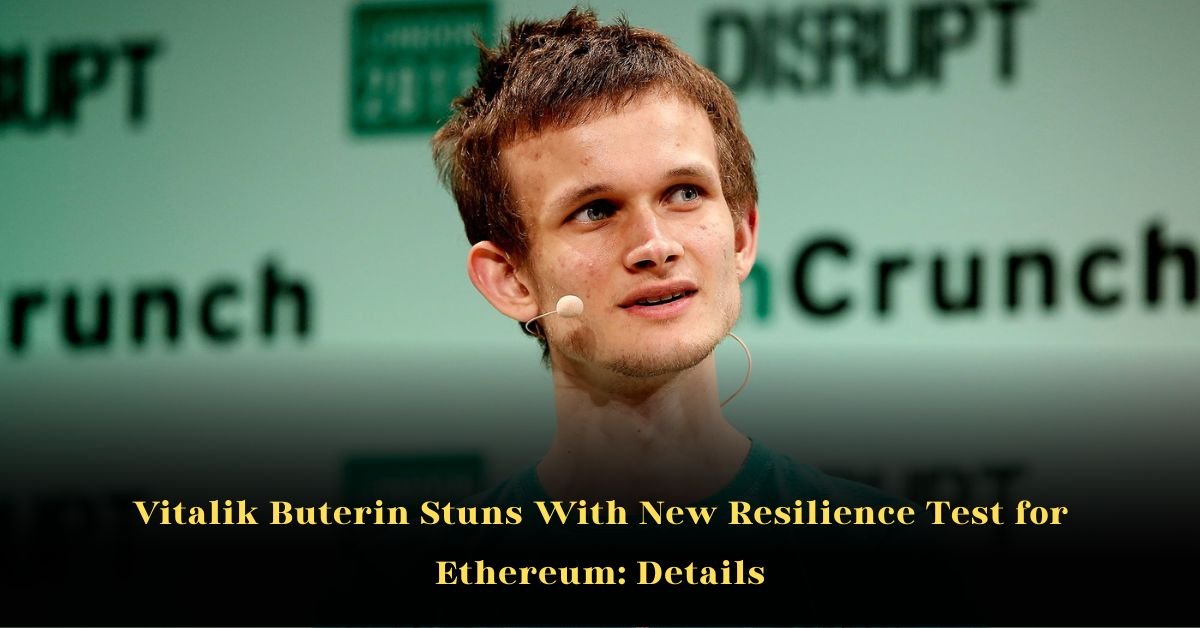
Ethereum wants to be able to stand on its own. Its founder, Vitalik Buterin, has explained a big goal for the future. He wants the network to be so strong that it can keep going even if he and the original creators all walk away. This is called the “walkaway test.”
The Core of the “Walkaway Test”
This test is about making Ethereum very tough. The main idea is that Ethereum’s real value comes from being a system that no single person or group controls. To pass this test, Ethereum must reach a point where:
- It runs on its own. It does not need Buterin or the main team to make big decisions or fix emergencies.
- Its rules for updates and changes are built into the system and its community. It does not depend on one person.
- It can fix itself and adapt over time, based on the agreement of its users.
Beyond Technical Upgrades: A Philosophical Shift
Ethereum has had big technical changes, like switching to proof-of-stake. But Buterin says long-term success needs more than that. The “walkaway test” is a new way of thinking. It means building a system that is permanent, like a law of nature. People need to trust that Ethereum will keep working fairly, no matter what happens to the people who started it.
The 2026 Roadmap: Paving the Way for Independence
The plan for Ethereum in 2026 follows this idea. Two main upgrades, called Glamsterdam and Hegota, are key. They are not just about making things faster.
- Glamsterdam focuses on reducing centralization and censorship.
- Hegota makes it easier for regular people to run a network node.
The goal is to finish the “hard engineering” so the base system is complete and secure forever. Future work would then only be small improvements.
ALSO Read: Warren Warns Fellow Democrats Not To Kowtow To Donors
Implications for Decentralized Applications (dApps)
Buterin says this test also applies to apps built on Ethereum (dApps). A truly successful dApp should keep working even if the company that made it shuts down. If an app needs a central server or a specific team to live, it fails the test. This encourages developers to build tools that, once released, fully belong to the users, with no middleman.
The Path Forward for Ethereum
The next challenge is to build systems for making decisions and upgrades right into the blockchain’s own rules. By focusing on censorship resistance and making accounts easier to use, Ethereum wants to become more like a natural force than a company’s product. For Vitalik Buterin, the real win is not a high price for Ethereum. The real win is the day the world no longer needs him to keep it running.
Disclaimer
The news information presented here is based on available reports and reliable sources. Readers should cross-check updates from official news outlets.