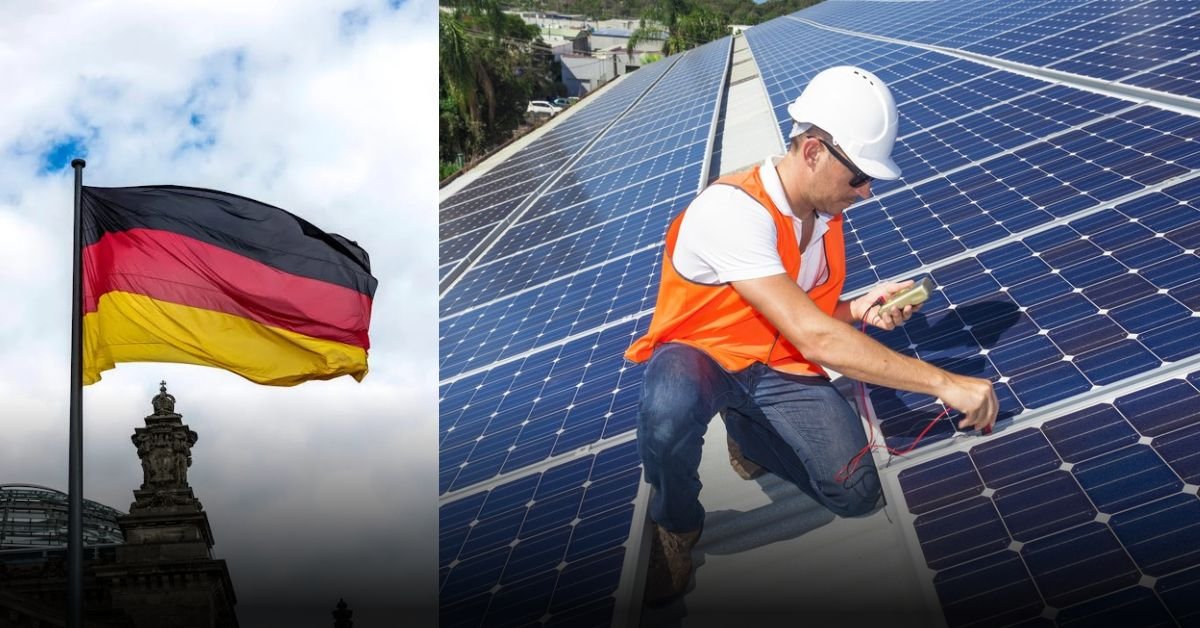
Germany’s Energiewende (energy transition) is moving at a breakneck pace, and by 2026, the demand for skilled hands to install, maintain, and connect photovoltaic systems will reach an all-time high. If you are a solar professional from outside the EU, the Skilled Immigration Act 2026 Update has paved a smoother, faster road for you to move to Europe’s green energy powerhouse. Whether you are a seasoned engineer or a vocational specialist, this guide breaks down exactly how to secure a work permit and land a high-paying role in the German solar sector.
Why Germany? The 2026 Solar Boom
Germany is racing toward climate neutrality, creating a massive Energiewende Workforce Demand. With thousands of residential and commercial projects approved for 2026, firms like Enpal, 1KOMMA5°, and SMA Solar are looking abroad to fill the gap.
Current Market Snapshot:
- Demand Status: Very High (Bottleneck Profession)
- Visa Priority: Fast-tracked under new “shortage occupation” rules.
- Top Hubs: Bavaria, Baden-Württemberg, and North Rhine-Westphalia.
Many families and companies want solar panels on their roofs. The government gives money to help pay for them. This creates more jobs every month.
Choosing Your Path: 2026 Work Permit Options
The German government made new ways to come and work in 2026. You can choose the best one for your situation. Most solar technicians use one of these three options.
The EU Blue Card (Shortage Occupation)
The EU Blue Card is a popular work permit. In 2026, solar technicians get special help because their job is on the shortage list. The minimum salary for shortage jobs is €45,934.20 per year. This is lower than the normal minimum of €50,700. If your job offer pays at least this amount, you can get the Blue Card easily. You need a job contract first. Then you apply for the visa.
The Chancenkarte (Opportunity Card) 2026
Do you not have a job offer yet? No problem. The Opportunity Card lets you come to Germany for one year to look for a job. It works with a points system. You need at least 6 points to get the card.
How to get points:
- Young age gives more points.
- Good German language level (A2 to B2) gives points.
- Many years of work experience give points.
- If your foreign qualification is fully recognized in Germany, you get all the points you need automatically.
This card is great for solar technicians who want to come first and then find work.
The Recognition Partnership (Anerkennungspartnerschaft)
This is the biggest new help in 2026. Many workers from other countries have good skills, but their certificates are not accepted yet in Germany. With the Recognition Partnership, you can come to Germany and start working right away. At the same time, your employer helps you get your foreign certificate recognized.
You do not have to wait many months for the office to check your papers. You work and learn the German rules together. This option is perfect for experienced solar installers and technicians.
Salary and Benefits: What to Expect
Jobs in solar energy pay well in Germany. Workers also get good protection from the law.
Average Salary in 2026
A normal solar photovoltaic (PV) installer earns between €3,500 and €5,500 gross per month. This means before taxes. Experienced workers or engineers can earn more.
Extra Benefits
Many companies give:
- Performance bonuses when you finish projects fast or well.
- Overtime pay if you work extra hours.
- Help with moving costs (relocation package).
- Health insurance and pension from the first day.
Most good visas need a full-time permanent contract. This means the job is not temporary. It gives you safety.
Technical Requirements & Language
Germany has strict safety rules for electricity work. You must follow them.
Needed Certifications
In the end, you need to follow German safety standards like VDE and DGUV. These are rules for electrical safety. The local Chamber of Skilled Trades (Handwerkskammer) checks your skills. They make sure you work safely.
Language Needs
Many big solar companies speak English at work. But learning German is very helpful. Level B1 German is recommended. With B1 and a Blue Card, you can apply for permanent residency faster – sometimes after only 21 to 27 months. For some jobs, like connecting solar systems to the main electricity grid, you need B2 German. These jobs have high safety rules and you must talk to local companies.
Step-by-Step: How to Apply in 2026
Here is the simple plan to come and work in Germany as a solar technician.
- Find a Job Look on websites like Make it in Germany portal or EnglishJobs.de. Many companies post jobs in English.
- Check Your Qualifications Use the Anabin database online to see if your certificate is accepted. Or ask ZAB for an official paper.
- Sign a Contract Make sure the salary is at least €45,934.20 per year for shortage jobs. Read the contract carefully.
- Apply for Visa Book an appointment at the German embassy in your country. Apply for a national D-Visa. Bring your job contract and other papers. If you use Recognition Partnership, add the agreement with your employer.
- Move to Germany When you arrive, register your address at the local office (Anmeldung). This must be done in the first two weeks. Then change your visa into a residence permit at the foreigners’ office.
Follow these steps one by one. It can take a few months, but the new rules make it faster than before.
Ready to start? Germany needs solar workers now more than ever. The 2026 rules are friendly for skilled people like you.
Would you like help to calculate your Opportunity Card points? Tell me your age, language level, and years of experience. I can make a personal calculation for you.
Disclaimer:
This guide is only for information. It is not official advice. Always check the latest rules on official websites like “Make it in Germany” or the German embassy in your country before you apply.