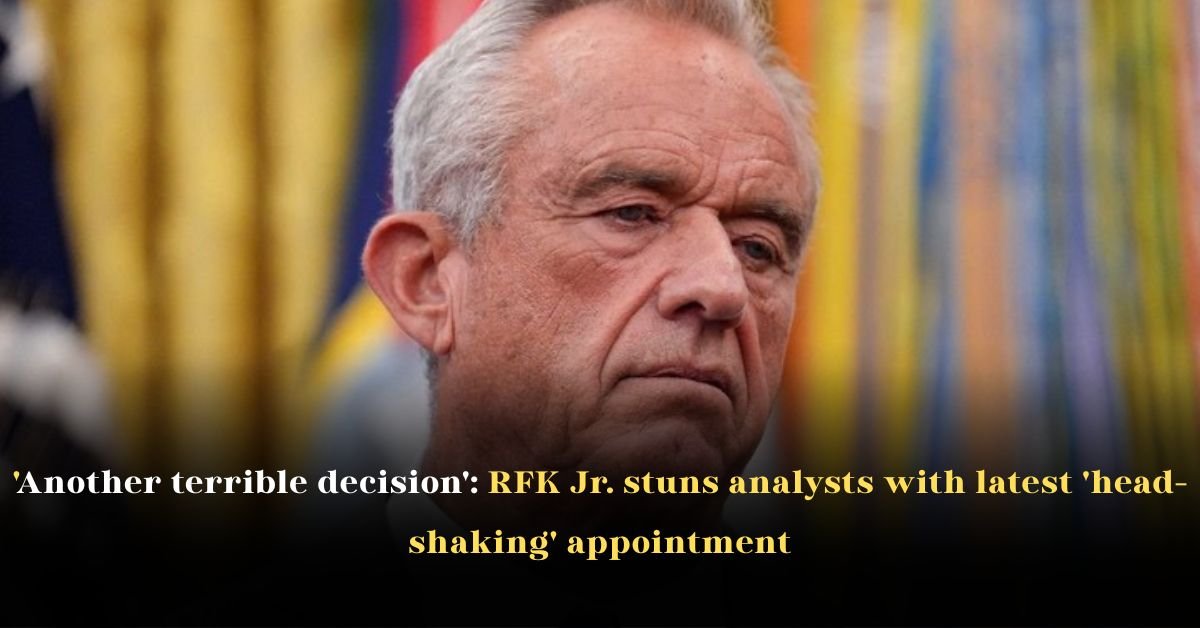
The CDC, America’s main public health agency, is in controversy again. This happened after Health and Human Services Secretary Robert F. Kennedy Jr. chose Dr. Ralph Abraham, former Louisiana Surgeon General, as the new Principal Deputy Director of the CDC. Many people are shocked. Experts call this a “bad” decision that could harm the CDC’s work and public health in the U.S.
The Controversial Background of the New Deputy Director
Experts are worried because of Dr. Abraham’s past actions and opinions. When he was Louisiana’s top health official, he stopped state vaccination campaigns. He also spoke against promoting important vaccines like COVID-19 shots and flu shots. He believes people should have more personal choice instead of strong government health rules.
Dr. Abraham has supported ideas that most scientists do not agree with. He promoted treatments like ivermectin for COVID-19, which are not proven to work. He has said that the government should “pull back from the practice of medicine.” This is very different from what the CDC normally does, which is promoting science-based health care.
Deepening the CDC Leadership Shake-Up
Dr. Abraham’s appointment is part of bigger changes at the CDC under Secretary Kennedy Jr. Earlier this year, the CDC director was removed. Many top vaccine advisors were replaced with people who criticize vaccines. Former CDC leaders say these moves are political and could hurt the agency’s scientific credibility.
Experts are worried that putting vaccine skeptics in top roles will weaken the CDC’s ability to give clear, evidence-based advice. Some see this as a threat to the CDC’s integrity and the country’s readiness for health emergencies. The former Principal Deputy Director, Dr. Susan Monarez, had to resign, showing the political pressure at the agency.
ALSO Read: Why Polarized Fishing Sunglasses Matter
Expert Reactions and the Erosion of Trust
Doctors, scientists, and former CDC officials are very concerned. They say these decisions are “unacceptable” and could make the public trust the CDC less, especially after COVID-19.
- Shift from Science to Ideology: Many think Dr. Abraham’s promotion shows the CDC may focus more on politics than science. This could affect vaccine programs and disease prevention.
- Weakened Institutional Integrity: Experts say the CDC may have less oversight, less transparency, and less authority in health advice. This matters for both the U.S. and global health.
- Threat to Pandemic Readiness: With someone who reduced vaccinations in a top role, experts worry the U.S. may not be ready for future pandemics. A strong CDC is needed to respond well to national health crises.
Implications for the Future of U.S. Health Policy
The new leadership may change U.S. health policy, especially for vaccines and preventive care. Dr. Abraham supports “personal choice” and less government involvement in medicine, so vaccine policies may change.
The CDC faces a big challenge. It must maintain public trust while keeping its reputation for science. Critics say it will be harder to make clear policies and promote vaccines under leaders who question the CDC’s mission. How this situation affects millions of Americans and global health is still a serious concern.
Disclaimer
The news information presented here is based on available reports and reliable sources concerning CDC leadership changes and U.S. health policy. Readers should cross-check updates and expert analysis from official news outlets and authoritative scientific organizations.