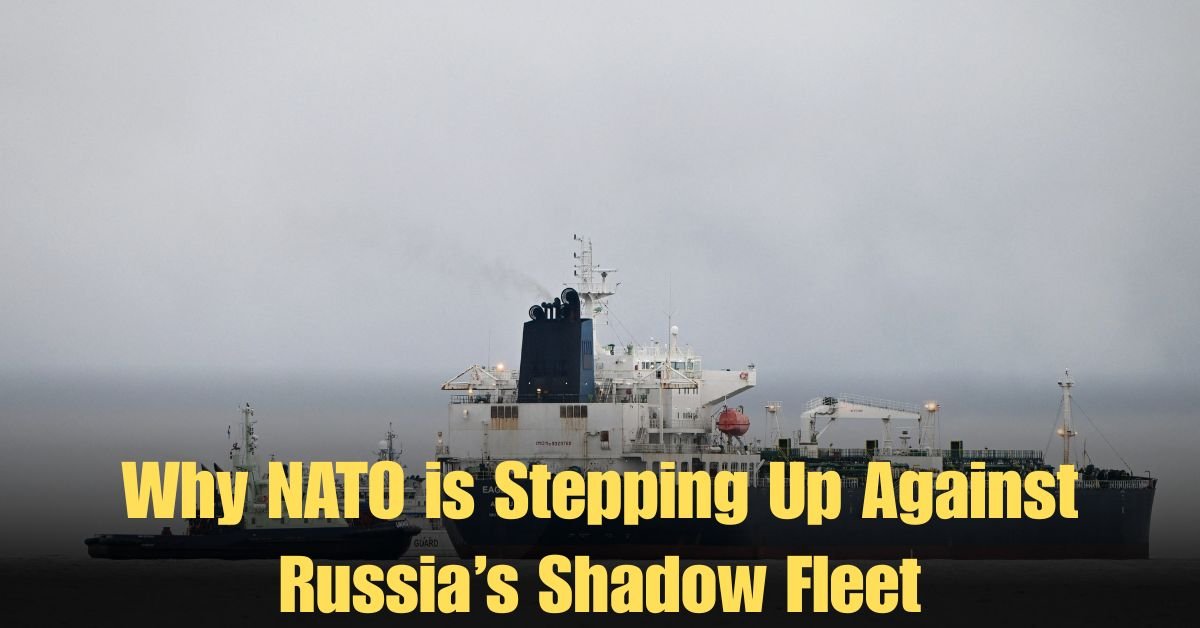
The English Channel one of the world’s busiest shipping lanes has become the latest flashpoint in the growing tensions between NATO allies and Russia. In the past fortnight a routine operation turned into a high-stakes standoff as the Royal Navy patrol ship HMS Severn executed a “round the clock shadowing operation,” intercepting a Russian warship the Stoikiy corvette and its support Yelnya tanker off Britain’s southern coast.
This incident is more than a simple transit it represents a significant escalation in Russia’s military buildup near European shores. London has reported a staggering 30 percent increase in Russian vessels posing a threat to U.K. waters over the last two years. This surge underscores a new era of “hard power” competition and puts a spotlight on the vital importance of safeguarding international waterways and critical national infrastructure.
The Spy Ship Threat Lasers and GPS Jamming
The interception of the Stoikiy corvette follows an even more brazen incident involving a specific Russian intelligence-gathering ship the Yantar. This vessel, designed for deep sea surveillance has been detected off the coast of Scotland, focusing its attention on mapping Undersea Cables the vast unseen network carrying approximately 98 percent of the world’s data.
The most concerning development? British Defense Secretary John Healey confirmed the Yantar had targeted British pilots flying P 8 Poseidon anti-submarine warfare aircraft with lasers a “deeply dangerous” act that risks blinding aircrews and is an aggressive military provocation. Furthermore, vessels in the area experienced GPS jamming, a tactic of electronic warfare that severely impacts navigation and communication.
- Vessel of Concern .The Yantar (Intelligence-gathering ship)
- Location of Provocation .Off the coast of Scotland
- Aggressive Actions. Directed lasers at pilots employed GPS jamming.
- The Target. Critical Undersea Cables and Seabed Infrastructure.
Why Undersea Cables Are the New Front Line
The Yantar‘s primary mission mapping and potentially targeting seabed infrastructure reveals Russia’s strategic focus on seabed warfare. These cables and pipelines are the economic and communicative lifelines of the West. Severing even a handful of high capacity cables could cause catastrophic failures in the global financial systems, payment networks and communications.
NATO is working to beef up protections for this critical infrastructure. This includes site more surveillance assets like the UK’s P8 Poseidon aircraft to Iceland and trialling uncrewed technology to detector the vast networks. This coordinated response involving NATO allies and the Royal Navy is crucial. As Commander Grant Dalgleish of the HMS Severn stated this tasking “reinforces the Royal Navy’s close liaison with our NATO allies in safeguarding the British people.”
NATO’s Response Increased Defense Spending and Vigilance
In face of this persistent Russian aggression NATO nations to including the UK have committed to increasing defense spending and accelerating equipment procurement. This heightened military readiness is not just about intercepting warships in the English Channel or Dover Strait it’s about projecting deterrence.
The message from the UK Defence Secretary to Moscow is unambiguous “We see you. We know what you’re doing.” The recent interception of the Stoikiy and the prior tracking of other Russian assets like the destroyer Vice Admiral Kulakov by HMS Duncan demonstrate a robust real-time shadowing operation designed to ensure international law is upheld in U.K. waters and prevent any unobserved intelligence-gathering or sabotage. The UK’s immediate handover of monitoring duties off Brittany (France) to another NATO Ally further highlights the unified front against this new era of threat.
Also Read: Why Gavin Newsom’s Bible Quotations Should Alarm Christians — Before It’s Too Late
FAQs
Q1: What is “Shadowing Operation”?
A Shadowing Operation is continuous surveillance mission where a military vessel (like HMS Severn) tracks and monitors the movement of another vessel (like the Stoikiy corvette) through international or national waters to ensure its activities are nonhostile and adhere to international maritime law.
Q2: Is GPS jamming common military threat?
Yes. GPS jamming is form of electronic warfare used to disrupt GPS signals causing navigation errors for targeted vessels and aircraft. When executed by a military vessel as was seen near the Yantar it is considered a hostile and irresponsible act.
Q3: How is the UK responding to the 30% increase in Russian vessels?
The UK is responding by increasing military deployments accelerating its defense procurement, and working closely with its NATO partners to enhance surveillance capabilities particularly for the deep-sea domain and the protection of Undersea Cables.
Call to Action (CTA):
What do you think is the most effective way for NATO to deter Russia’s increased naval activity? Share your thoughts in the comments below and subscribe to our news letter for more expert analysis on global security threats!
Disclaimer:
This article is based on publicly available statements and information provided by British government and Defense Ministry regarding naval incidents involving NATO and Russian vessels. It reflects the UK’s perspective on these events including the reported increase in Russian activity and actions such as laser targeting and GPS jamming. Comments attributed to British officials including Defense Secretary John Healey, are direct quotes or paraphrased statements.