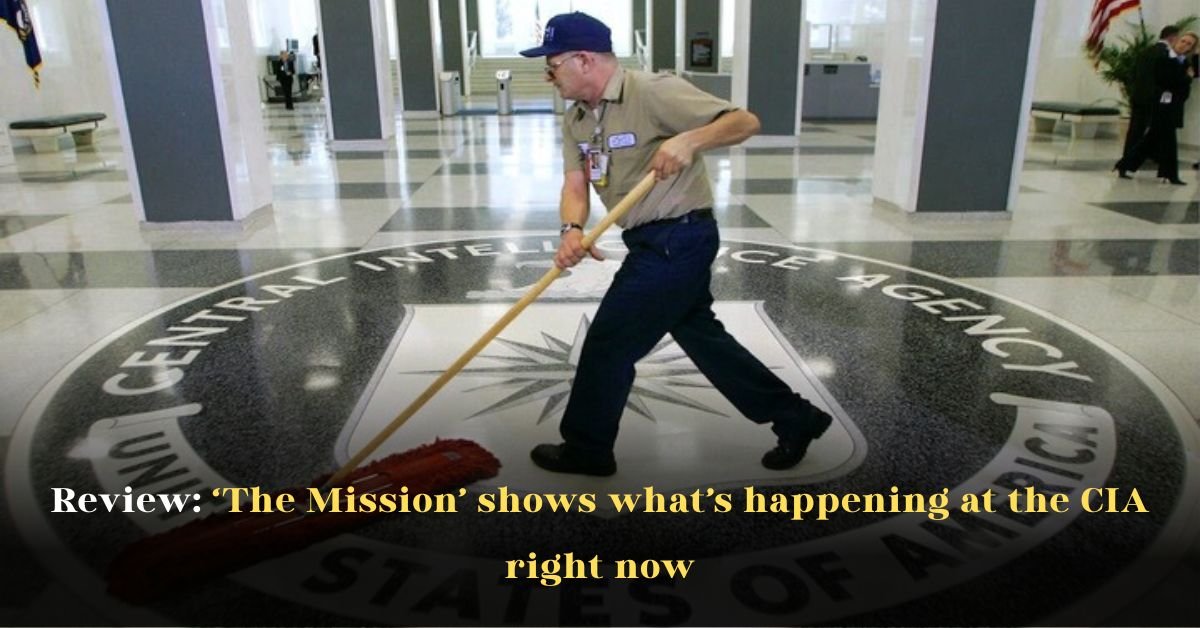
Tim Weiner’s new book, The Mission: The CIA in the 21st Century, gives readers a clear look inside the CIA, the secret American intelligence agency. He builds on his earlier book, Legacy of Ashes, about the CIA during the Cold War. Weiner, who has long reported on intelligence, explains the CIA’s structure, goals, and moral problems after 9/11. The book shows how politics and global changes have tested the CIA’s honesty and effectiveness.
The CIA as a Fortified Institution
Weiner compares the CIA to a “fortified medieval city.” This means it is very secret and organized like a strong castle. Inside, “locked castles hide vast libraries of secrets,” which shows the agency protects its knowledge carefully. This picture helps readers understand the tension between the CIA keeping secrets and the need for public accountability. It sets up the book’s story about how hard it is to know what the CIA really does.
Transformation and Ethical Erosion Post-9/11
The main part of The Mission is about how the CIA changed after 9/11. The agency moved from mostly collecting and analyzing information to carrying out secret military-style actions. Weiner says the Bush administration put strong pressure on the CIA, which led to moral problems. A big example is the intelligence about Iraq’s supposed Weapons of Mass Destruction (WMDs). The book shows that political goals sometimes affected the CIA’s judgment, causing major mistakes.
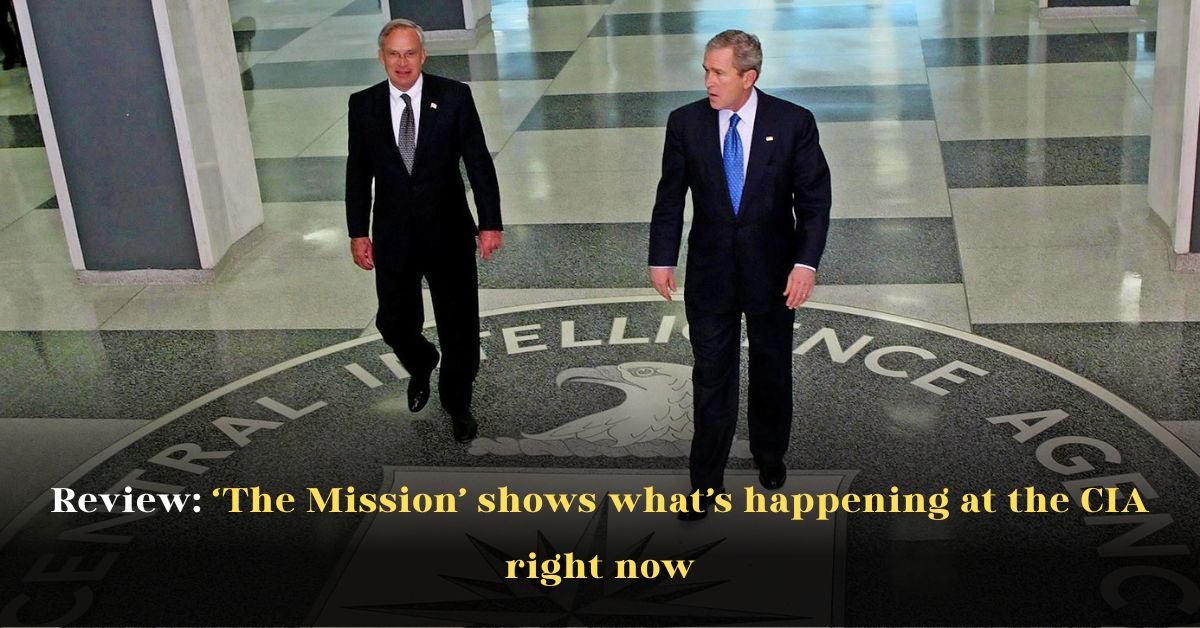
The CIA also used “enhanced interrogation techniques,” a term for torture, in secret prisons. Weiner describes how this caused debate inside the agency. Leaders like former CIA Director George Tenet tried to warn about threats like Al-Qaeda but also got caught in the WMD mistakes. CIA officers who disagreed often faced resistance, showing how dangerous it can be when intelligence work and political pressure mix.
The Peril of Politicization
A big theme in the book is that politics can affect intelligence. Weiner explains that presidents often ask the CIA for information that fits their plans, instead of objective facts. This creates problems for the agency. The book warns that future leaders who are hostile to the CIA could demand risky actions or even bring back torture, harming the CIA’s honesty and work.
ALSO Read: Are the Los Angeles Chargers Playing Today? NFL Week 12 Schedule, Matchups, Teams on a Bye
Balancing Critique with Recognition
Even with strong criticism, Weiner does not say the CIA is all bad. He shows the agency is important for national security and that many operations worked. The book includes interviews with past and current CIA officers, giving a real insider view. Weiner wants readers to understand the CIA so it can be improved and remain professional despite political pressure.
Reception and Enduring Impact
The Mission has been praised for careful research and storytelling. Critics say it is “must-read” for understanding the modern CIA. It is well-sourced and asks serious questions about ethics and structure. Some people say it explains problems better than giving solutions. But the book is important because it shows how the CIA can stay independent, professional, and accountable while facing big challenges.
Conclusion
Tim Weiner’s The Mission: The CIA in the 21st Century is a well-researched and important book about the CIA. It explains the agency’s secrecy, political pressures, and moral challenges. The book shows that the CIA’s mission has been stretched and sometimes compromised for national security. It is not just history; it is a warning and a call to think about how the CIA can stay honest, professional, and effective in a dangerous world.
Disclaimer
This article is for informational and educational purposes only, based on the published review and analysis of Tim Weiner’s book, The Mission: The CIA in the 21st Century. Readers are advised to consult the book and official news outlets for detailed context.