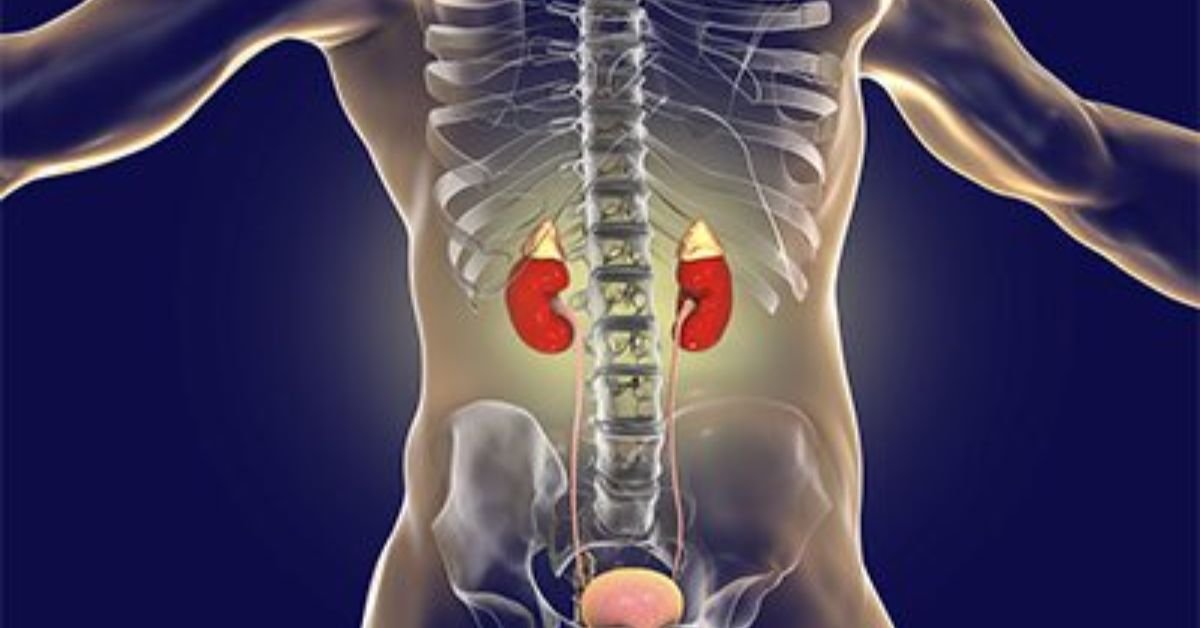
Learn which three widely used drugs pose a significant risk to your kidney and liver health and understand the mechanisms of damage Always consult your doctor before making medication changes .
The Bodys Vital Filters
The kidneys and the liver are arguably the two most indispensable filtering and processing organs in the human body The liver is the bodys primary chemical factory metabolizing drugs detoxifying blood and synthesizing proteins The kidneys act as the bloods master quality control system regulating water balance electrolytes and filtering out waste products including drug metabolites .
Because these organs are responsible for breaking down and eliminating almost everything we ingestincluding medications they are frequently the first line of defense and consequently the most vulnerable to damage from drugs While modern medicine has revolutionized health certain widely used and often overthecounter OTC medications carry a significant dosedependent and timedependent risk of causing hepatotoxicity liver damage or nephrotoxicity kidney damage .
Understanding these risks is crucial for informed health management Here are three major drug classes that should be approached with caution especially if you have preexisting conditions or are taking multiple medications .
Drug 1 Acetaminophen Paracetamol The Silent Liver Threat
Acetaminophen known widely as Tylenol or Paracetamol is one of the most frequently used OTC pain relievers and fever reducers worldwide Its efficacy and availability make it a common household staple However it is also the leading cause of acute liver failure in many Western countries .
Also Read : Urgent Adams Warns of Merchants of Death Surrounding 60 Million in Southwest Region
Why It Harms the Liver
When taken at the recommended dose typically no more than 4000 mg per day for a healthy adult acetaminophen is safe However the liver metabolizes the drug into several compounds A small but highly toxic metabolite called $N$acetyl$p$benzoquinone imine NAPQI is produced Normally the livers supply of glutathione rapidly neutralizes NAPQI .
The danger arises in two scenarios
1 Overdose Taking too much acetaminophen at once overwhelms the livers glutathione stores allowing the toxic NAPQI to bind to and destroy liver cells .
2 Chronic Overuse or Combination Products Many cold and flu remedies contain acetaminophen Unknowingly combining these with standalone acetaminophen can quickly exceed the safe daily limit Furthermore chronic alcohol consumption depletes glutathione stores making the liver more vulnerable to even standard doses .
Actionable Advice Always check the labels of all cold flu and pain medications to avoid accidental doubling of the dose Never exceed the recommended daily maximum .
Drug 2 Nonsteroidal AntiInflammatory Drugs NSAIDs The Kidneys Adversary
The Nonsteroidal AntiInflammatory Drugs NSAIDs group includes ibuprofen Advil Motrin naproxen Aleve and diclofenac They are highly effective for reducing pain inflammation and fever making them staples for conditions ranging from headaches to arthritis While generally safe for shortterm use they pose a serious threat to the kidneys .
Why They Harm the Kidneys
NSAIDs work by inhibiting cyclooxygenase COX enzymes COX1 and COX2 enzymes are responsible for producing prostaglandins which promote pain and inflammation However in the kidneys specific prostaglandins are essential for regulating blood flow and maintaining adequate pressure in the tiny filtering units glomeruli .
By blocking the COX enzymes NSAIDs inadvertently reduce the production of these kidneyprotective prostaglandins This causes the blood vessels leading to the kidneys to constrict decreasing the blood supply and filtering capacity This can lead to a condition called acute kidney injury AKI especially in people who are dehydrated elderly or have preexisting hypertension or heart failure .
Actionable Advice Avoid longterm continuous use of NSAIDs If you require chronic pain management discuss alternative options with your physician Stay wellhydrated when taking NSAIDs and never use them if you are significantly dehydrated .
Drug 3 Statins Balancing Cholesterol Control and Organ Health
Statins such as atorvastatin Lipitor and simvastatin Zocor are among the most prescribed medications globally used to lower high cholesterol levels and reduce the risk of heart disease and stroke While lifesaving for many they have a documented albeit low risk of affecting both the liver and muscle tissue which indirectly impacts the kidneys .
How They Affect Liver and Kidneys
1 Liver Statins can occasionally cause a rise in liver enzymes ALT and AST an indication of liver cell stress or inflammation While severe liver failure is extremely rare physicians routinely monitor liver enzyme levels when a patient starts statin therapy .
2 Kidneys Indirectly A rare but serious side effect of statins is rhabdomyolysis the breakdown of muscle tissue This breakdown releases large amounts of muscle proteins including myoglobin into the bloodstream The kidneys overwhelmed by the sheer volume of protein struggle to filter it out which can clog the filtering tubules and lead to severe acute kidney injury While this complication is uncommon it is a significant risk of which patients must be aware .
Actionable Advice If you are on statin therapy attend all scheduled blood tests for liver enzyme monitoring Immediately report any unexplained muscle pain tenderness or weakness especially if accompanied by darkcolored urine to your doctor .
Conclusion Prioritize Informed Use
The three drug classesAcetaminophen NSAIDs and Statinsrepresent the delicate balance between therapeutic benefit and potential organ risk In almost all cases these medications are safe and highly effective when used correctly under appropriate medical supervision However the cumulative effect of longterm use taking multiple products containing the same ingredient or using them while having a preexisting condition significantly amplifies the danger to your kidneys and liver .
Always treat medications with the respect they deserve Consult your doctor or pharmacist about safe dosages potential drug interactions and the need for regular monitoring to protect your bodys vital filtration system .
Dynamic Disclaimer Requirement
Disclaimer This article is for informational and educational purposes only It discusses general knowledge about commonly used medications and their potential side effects It is not a substitute for professional medical advice diagnosis or treatment Always consult a qualified healthcare provider or pharmacist regarding any medical condition before starting or changing any medication regimen and to verify details from trusted official medical sources before making any healthrelated decisions .