A Farewell in Gordon.Human Cost of the Visa Backlog
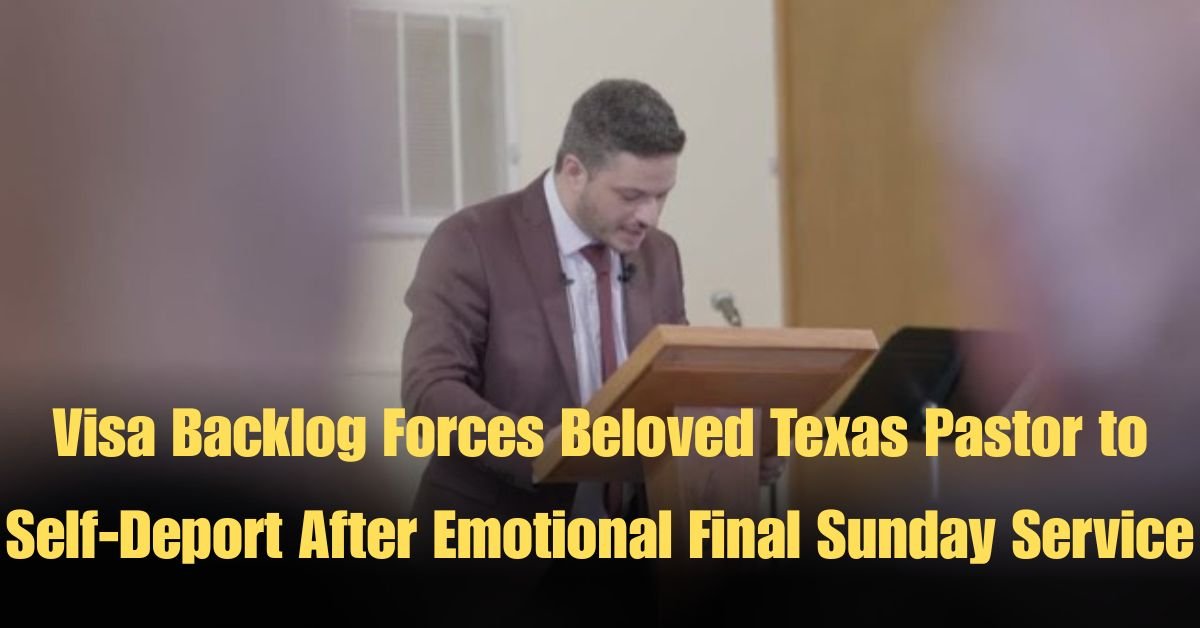
The small town of Gordon, Texas, recently witnessed a heartbreaking event: Pastor Albert Oliveira, a beloved Brazilian-born minister, held his final Sunday service at the First Baptist Church of Gordon before he and his family voluntarily left the country for Brazil.
This difficult choice—a self-deportation—was not a matter of criminal concern or unauthorized entry, but a direct consequence of a massive visa backlog within the U.S. immigration system. For years, Oliveira and his family, which includes his German national wife, Caroline Schuster Oliveira, and their young son, fought to find a legal way to remain. Yet, facing the expiration of his current status, Oliveira chose to leave to avoid falling into undocumented status.
“It feels like defeat, honestly,” Oliveira told CBS Texas
. “We’ve been fighting over this course for two years ,and now we’re going home.”
The emotional final Sunday service, attended by over 200 congregants and underscores the human community impact of bureaucratic delays.
Immigration Predicament: R-1 to EB-4 Visa Crisis
Pastor Oliveira’s case illuminates growing national crisis facing foreign born religious leaders.
Understanding Visa Types
1 This is the Temporary Visa for Religious Workers that Oliveira and his family lived on for five years. It allows religious workers to stay for a maximum of five years.
2 This is the Permanent Residency Pathway (or green card) that religious workers use to secure long-term status.
The Backlog Breakdown;
Oliveira’s core the issue stemmed from the fact that his R-1 visa was set to expire while his application for the EB-4 visa was still pending. The long wait is due to a surge in applications for the EB-4 “Special Immigrants” category.
Data from U.S. Citizenship and Immigration Services (USCIS) shows the staggering increase in the visa backlog.
- The number of pending EB-4 applications has seen 200% increase in just three years and reaching over the 214,000 as of early 2025.
- This backlog is exacerbated by recent policy changes that the placed other migrant groups such as unaccompanied minors from Central America, into the same limited EB-4 queue as religious workers.
- GOP Congressman Roger Williams, who represents the area, confirmed that the high demand and limited visa availability led to the denial of an expedited review for Oliveira’s case.
Legislative Hope and Future Plans
The predicament of religious workers like Albert Oliveira has spurred bipartisan political action.
A bill known as the Religious Workforce Protection Act has been introduced in Congress. If passed this proposed legislation would offer crucial lifeline by allowing religious workers with approved EB-4 applications to stay and continue their ministry in the U.S., even if their priority date is not yet current due to the backlog. However, as now the bill remains stalled in the committee.
Also Read. Wizkid Dismisses Davido Rivalry More Important Things To Do
The Oliveira family has not given up on their life in Texas. Their hope is to apply for a New R-1 visa in a year’s time, after spending the required 12 months out of the country to “reset” their eligibility. In interim, Oliveira plans to serve his congregants by continuing to preach remotely.
His farewell message captures the frustration of many. “I feel loved, but also I feel disappointed at the people in power.” The story serves as clear example of how systemic USCIS delays impact not just individual immigrants, but the American communities that rely on them.
FAQs
Why was Pastor Oliveira forced to leave if he had the legal status?
He was on an R-1 visa, which is temporary (max five years). Because the visa backlog for his EB-4 visa application was so long, his R-1 would expire before his green card was available. He chose to voluntarily leave the country to avoid becoming undocumented status, which could jeopardize his chances of returning later.
Q: Who else is impacted by the EB-4 visa backlog?
The EB-4 visa category “Special Immigrants,” includes other vulnerable groups besides religious worker such as Special Immigrant Juveniles and certain U.S. government employees abroad.
What is the Religious Workforce Protection Ac?.
It’s a bipartisan bill aiming to protect religious workers with pending EB-4 visa applications, allowing them to remain ,work legally in the U.S. past their R-1 visa expiration date while they wait for their green card to become available.
Call to Action
The saga of Texas Pastor Albert Oliveira illustrates a national immigration system in need of critical updates
. Do you think Congress should prioritize legislative relief like the Religious Workforce Protection Act to protect valuable community members from self-deportation? Share your thoughts and questions about the USCIS visa backlog in the comments below.