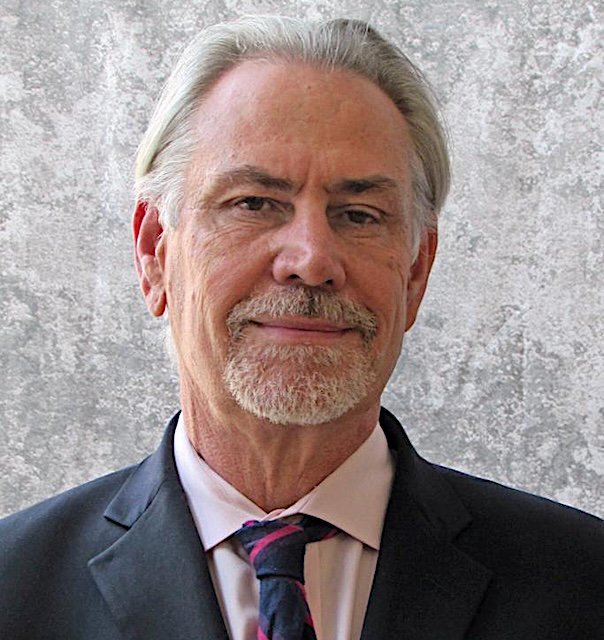
An analysis of the complex conflict in Nigeria challenging the simplistic narrative of a Christian genocide often espoused by Donald Trump Phillip van Niekerk explores the dangers of such manufactured crises and their impact on US Africa policy .
The Peril of Simplification in Nigerian Conflict
The crisis of violence and insecurity that plagues Nigeria is multifaceted rooted deeply in ethnic economic environmental and inter-communal land-use disputes Yet for many in the West particularly in certain political and religious circles this complex reality is often reduced to a single explosive narrative a Christian genocide This reductionist framing which gained prominent traction during the Trump administration is not just inaccurate it is actively dangerous serving to obscure the true nature of the conflict and poisoning effective diplomatic engagement .
President Donald Trumps rhetoric on Nigeria often centered on threats or condemnation based on this alleged genocide a position that drew sharp rebukes from the Nigerian government itself The core danger as argued by commentators like Phillip van Niekerk lies in the willful ignorance of nuanced local dynamics in favor of a politically convenient emotionally charged label .
Manufacturing a Crisis The Genocide Label
To invoke the term genocide a legal and moral designation that carries immense weight in the Nigerian context is to misrepresent the primary drivers of violence While it is undeniable that Christians along with Muslims have suffered horrific massacres and displacement the notion of a coordinated state-backed or religiously monolithic extermination campaign against Christians does not withstand scrutiny .
The violence particularly in the Middle Belt region is often characterized by a grim cycle of retaliatory attacks between predominantly Muslim Fulani herders and predominantly Christian farmers These clashes are primarily over diminishing arable land and water resources exacerbated by desertification and unchecked population growth not purely theological hatred .
Also Read : Who is John The Cryptic Note Found in a Nigerian Toddler s School Bag
Furthermore groups like the extremist Boko Haram and its offshoot ISWAP target both Muslims and Christians who do not adhere to their warped interpretation of Islam Mosques Muslim villages and Muslim leaders are also victims which complicates the easy separation of victims by faith alone By framing the conflict as a simple religious persecution the international community is distracted from addressing the governance failures climate change impacts and security gaps that are the real engines of the crisis .
The Domestic Political Utility of Foreign Tragedy
The persistent promotion of the Christian genocide narrative in the US is often less about protecting Nigerians and more about domestic political utility This framing mobilizes a specific American evangelical and conservative base validating a worldview that casts global conflicts as a Manichaean struggle between Christianity and radical Islam .
This approach effectively converts a foreign humanitarian and economic tragedy into a powerful campaign talking point It provides a moral justification for certain foreign policy actions potentially including sanctions military aid to specific factions or harsh diplomatic measures all based on a fundamentally skewed understanding of the facts .
Van Niekerks critique highlights how this manufactured crisis allows US politicians to bypass the arduous work of understanding African political complexities Instead of supporting Nigerian civil society anti-corruption efforts and economic stabilization long-term solutions that demand patience and genuine partnership they opt for the quick dramatic rhetorical fix of condemning a genocide .
Consequences of Misguided Foreign Policy
The consequences of this misguided rhetoric are severe .
- Undermining Moderates It fuels extreme narratives within Nigeria making it harder for moderate Christian and Muslim leaders to bridge divides and work toward peace .
- Alienating the Government It alienates the Nigerian government reducing their willingness to cooperate with US diplomatic and aid initiatives perceiving US action as biased or ill-informed .
- Inflating Religious Division It elevates the religious component of the conflict above all others inadvertently encouraging actors on the ground to further polarize along religious lines for external sympathy and support .
The true path to peace in Nigeria requires recognizing the interwoven issues of poverty resource scarcity weak state institutions and corruption The world needs a sophisticated policy that tackles these root causes not one based on a convenient yet profoundly ignorant simplification designed for US political consumption Donald Trumps rhetoric and the wider machinery that generates these false narratives serves as a stark reminder of the dangers of prioritizing sensationalism over empirical reality in international relations .
Dynamic Disclaimer Requirement
Disclaimer The news information presented here is based on available reports and reliable sources including analysis from critical commentators like Phillip van Niekerk concerning political rhetoric and international relations Readers should cross-check updates and official positions from Nigerian government channels and official international news outlets before drawing definitive conclusions about the on-the-ground crisis .