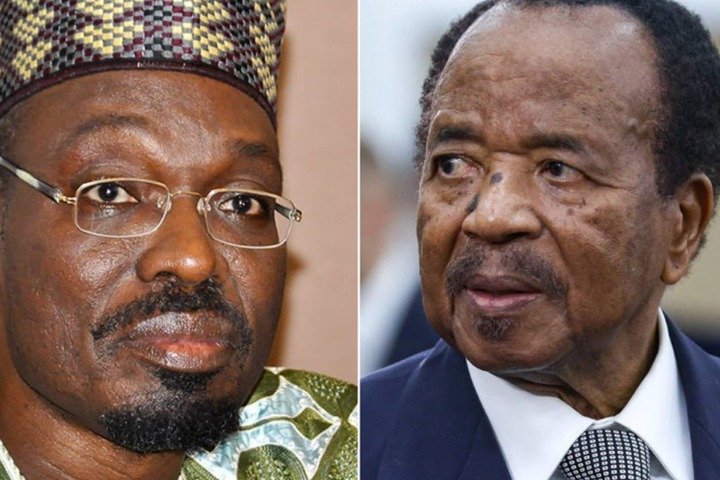
Widespread Unrest Follows Disputed October Presidential Vote
Cameroon a nation already navigating complex internal conflicts has been plunged into fresh political turmoil following its recent presidential election on October 12 The contest which saw the 92-year-old incumbent Paul Biya seek an eighth term against a fragmented opposition has sparked widespread protests and a severe government crackdown including the arrest of prominent opposition figures The unrest highlights deep-seated frustration with the country’s entrenched political system and the perennial questions surrounding electoral transparency .
Opposition Claims Victory Sparks Protests
The current crisis began when opposition presidential candidate Issa Tchiroma a former government minister and long-time Biya ally turned challenger prematurely declared victory claiming to have won 548 percent of the vote Tchiroma’s claim directly contradicted initial local media reports suggesting President Biya who has ruled Cameroon since 1982 was set for yet another term The declaration galvanized his supporters who took to the streets in several major cities to demand that their presumed victory be respected .
The protests which defied a government ban on public gatherings quickly escalated Clashes erupted primarily in the northern city of Garoua Tchiroma’s stronghold and in the commercial capital of Douala Demonstrators reportedly barricaded roads with security forces responding by firing tear gas and in some instances live ammunition to disperse the crowds .
Also Read : Ehi Ogbebor The Bold Move to Embrace a Natural and Professional Aesthetic
Deadly Clashes and Government Crackdown
The unrest has resulted in tragic casualties Reports from regional authorities and opposition sources confirm that at least four people were killed in Douala during Sunday’s clashes where protesters reportedly attacked gendarmerie and police stations The violence underscores the volatile atmosphere ahead of the Constitutional Council’s official announcement of the final election results which is expected to confirm Biya’s victory .
The government’s response has been swift and severe Paul Atanga Nji the Minister of Territorial Administration denounced the demonstrations as part of an “insurrectionist project” intended to “create the conditions for a security crisis” Authorities have arrested dozens of opposition supporters activists and leaders in a concerted effort to quash the dissent The Minister also stated that over 20 people detained would face trial before a military tribunal on serious charges including incitement to rebellion and insurrection .
Key Opposition Figures Detained
Among the high-profile detentions are two leaders from the coalition that backed Issa Tchiroma’s candidacy Djeukam Tchameni president of the Movement for Democracy and Interdependence in Cameroon MDI and Anicet Ekane president of the African Movement for the New Independence of Cameroon Manidem were reportedly arrested at their homes in Douala on Friday .
These arrests follow a broader pattern of suppressing political opposition in the lead-up to the elections Notably the strongest opposition rival to Biya Maurice Kamto was barred from running in the election a decision that critics argue was politically motivated and served to further fragment the opposition The use of state machinery to sideline key challengers and the subsequent crackdown on protests have raised serious international and domestic concerns regarding the fairness and credibility of the electoral process .
Context of Contested Power and Institutional Distrust
The current protests are rooted in a long history of contested elections and limited political space in Cameroon President Biya’s 43-year rule has fostered a climate of “electoral authoritarianism” where democratic institutions exist but are often manipulated to maintain the ruling party’s power Past electoral cycles have also been marred by allegations of fraud irregularities—such as ballot stuffing and an incomplete electoral register—and subsequent violent crackdowns on dissent .
Civil society organizations and election monitors including the National Episcopal Conference of Cameroon have highlighted numerous irregularities in the recent October 12 vote lending credence to the opposition’s claims of manipulation The government however has dismissed these claims urging citizens to trust the country’s institutions Compounding the situation significant disruptions to internet access were reported in the commercial capital and other areas which critics argue was a deliberate tactic to limit real-time coverage of events on the ground and hamper organizing efforts .
Outlook An Uncertain Path Forward
As the country awaits the official final election results from the Constitutional Council the political landscape remains tense and volatile The government’s firm stance and the heavy-handed response to protests suggest a determination to maintain order and validate the expected victory of the nonagenarian president Conversely the opposition’s bold claims and the willingness of supporters to face live-fire demonstrations indicate a growing appetite for change among a populace weary of decades-long rule The international community continues to monitor the situation but for now the future of Cameroon’s political stability hangs precariously on the final pronouncements of its constitutional body and the government’s subsequent handling of the inevitable fallout .
Disclaimer
The news information presented here is based on available reports and reliable sources concerning the Cameroon political crisis Readers should cross-check updates from official news outlets and government communications for the latest developments .