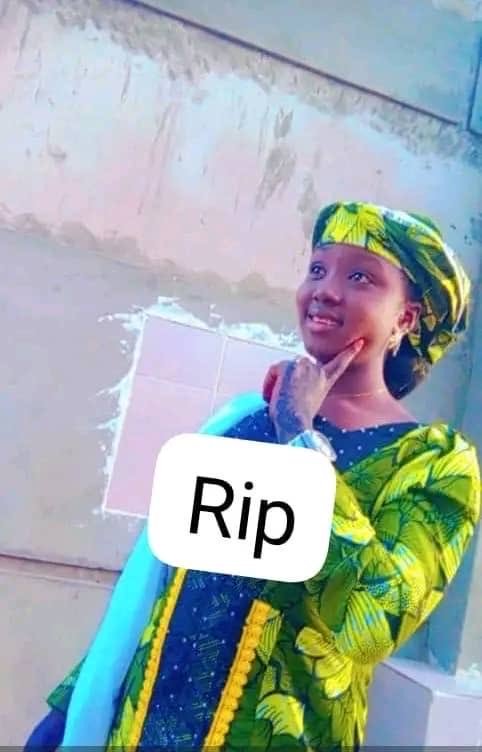
The devastating news of a young womans suicide in Borno State reportedly as a direct consequence of being forced into marriage casts a harsh spotlight on a silent yet pervasive human rights crisis in Nigeria and globally While the specific details of this single event remain to be fully reported the underlying tragedy a young life ended to escape a coercive union is tragically representative of a larger well-documented pattern of predicament suicide resulting from intolerable circumstances particularly in conflict-affected zones like Borno the epicenter of the Boko Haram insurgency .
The Context of Borno Conflict Coercion and Marriage
Borno State in Northeast Nigeria has endured over a decade of brutal conflict creating a profound humanitarian and security crisis The activities of non-state armed groups such as Boko Haram and its factions have deeply disrupted social structures and significantly increased the vulnerability of women and girls Reports from human rights organizations detail the systematic abduction and forced marriage of young women and girls by these groups .
In this volatile environment forced marriage takes on multiple dimensions 1 Marriages Forced by Insurgent Groups Abducted women and girls are routinely forced into multiple marriages with fighters Resistance to these forced unions which often include rape and abuse can be met with severe punishment including the threat of being turned into a suicide bomber For some the extreme mental and physical anguish of these circumstances can lead to thoughts of self-harm 2 Marriages of Protection or Economic Necessity Even within communities conflict displacement and extreme poverty drive an increase in child and forced marriages Families fearing for their daughters safety in a climate of insecurity or struggling to survive financially may marry them off prematurely While intended as a form of protection or economic relief these unions strip young women of their agency and can lead to severe psychological distress .
Also Read : Abuja Shocker Side Chick Allegedly Assaults Married Lover Locks Him Up and Vandalizes His Car
In both scenarios the lack of alternatives and the overwhelming sense of entrapment transform the institution of marriage from a personal choice into a life sentence where suicide is perceived as the only possible escape .
Forced Marriage A Global Crisis of Entrapment
The tragedy in Borno is not an isolated incident but part of a global phenomenon where forced marriage distinct from arranged marriage where consent remains paramount is a significant psychosocial risk factor for suicide International research highlights that for victims of forced marriage the motivation for suicide is often a desire to escape deeply distressing events a feeling of total control by others or the irreversible loss of an anticipated positive future .
Examples from other vulnerable regions illustrate this harrowing reality .
- Afghanistan and Iran Reports frequently detail young women taking their own lives through self-immolation or other means after being subjected to family pressure often due to poverty or in compliance with coercive social demands .
- Refugee and IDP Settings In displaced populations the stress of humanitarian crises and the breakdown of legal systems often lead to an increase in child and forced marriages further trapping young girls in situations of vulnerability and psychological pain .
The Mental Health and Social Dimensions
The prevailing medical perspective often links suicide solely to mental disorder However cases related to forced marriage powerfully support the concept of predicament suicide where the act is a direct response to an intolerably stressful social or environmental circumstance irrespective of a prior psychiatric diagnosis The core drivers for suicide in the forced marriage setting include .
- Loss of Liberty and Autonomy The total forfeiture of control over ones body and future .
- Physical and Emotional Abuse The routine exposure to violence within the forced union .
- Entrapment The realization that no legal familial or social mechanism exists to safely exit the marriage .
- Rejection and Shame A lack of support from ones own family often accompanied by the social shame of refusing a match which can lead to profound narcissistic humiliation .
For a young woman in Borno navigating the complex trauma of conflict potential displacement and then the suffocating reality of a forced marriage with no recourse the psychological burden is immense .
Call to Action and Prevention
Addressing these tragedies requires a multi-faceted approach beyond traditional mental health interventions 1 Legal and Judicial Reform Ensuring strict enforcement of laws against forced and child marriage and creating legal pathways for divorce and protection without victim-blaming 2 Socio-Economic Empowerment Providing educational and economic opportunities for women and girls in conflict-affected areas to give them viable alternatives to early marriage 3 Community Mobilization Challenging cultural norms and deeply ingrained gender inequalities that permit forced marriage This includes empowering traditional and religious leaders to advocate for girls rights 4 Mental Health Support Establishing accessible and culturally sensitive psychological support services for survivors of conflict and gender-based violence providing safe spaces and counseling .
The ultimate measure of a society is how it protects its most vulnerable The reported suicide in Borno serves as a grim reminder that for too many young women the fundamental right to choose their life partner and thus their future is denied leaving them in a psychological prison from which they see no other escape but death .
Disclaimer
The news information presented here is based on available reports and reliable sources concerning the tragic pattern of suicide linked to forced marriage in conflict zones including the context of Borno State Nigeria Readers should cross-check updates and specific details from official news outlets and humanitarian reports If you or someone you know is in crisis please seek immediate professional help or contact a suicide prevention hotline .