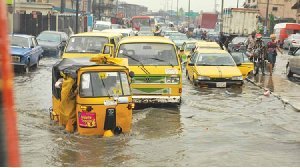
When Nigerian journalist and broadcaster Rufai Oseni declared that We call it a mega city but when it rains it becomes a swimming pool his words struck a chord with millions of Lagos residents The statement while sarcastic underscores a very real and pressing problem the failure of urban infrastructure in one of Africas most populous cities .
Lagos is often hailed as Nigerias commercial capital the pride of West Africa and a beacon of urban progress But for many who live in the city the reality is far less glamorous The city struggles with recurring flooding poor waste management and inadequate planning problems that Osenis jab brings into sharp focus .
The Mega City Narrative
Lagos is home to over 20 million people making it not just Nigerias largest city but also one of the fastest growing urban centers in the world Government officials and policymakers often tout it as a mega city a symbol of Nigerias ambition to join the league of modern global cities like New York London or Tokyo .
However critics argue that Lagos is a mega city in name only While it boasts skyscrapers high end estates and bustling commercial hubs it also suffers from crumbling roads chaotic traffic and inadequate infrastructure The contrast between luxury developments and struggling neighborhoods is stark .
Also Read : Davido Surprises Wife Chioma with a 2025 G Wagon
Osenis comment highlights the irony a city that prides itself on global relevance still fails to handle basic environmental challenges like rainwater drainage .
When Rain Turns Lagos Into a Swimming Pool
Every rainy season vast portions of Lagos become impassable Streets flood within minutes cars stall in knee deep water and houses in low lying areas are submerged Social media fills up with images and videos of people wading through dirty floodwaters just to get to work or school .
This annual crisis is not merely an inconvenience Flooding in Lagos has led to .
- Property damage worth billions of naira each year .
- Public health risks as stagnant water becomes a breeding ground for diseases .
- Economic disruption since workers and businesses lose productive hours .
- Safety hazards with lives lost in extreme cases .
Osenis analogy of a swimming pool is more than just colorful language It paints a vivid picture of how Lagosians are forced to adapt to flooding as if it were normal .
The Root Causes of Flooding in Lagos
Experts point to several interconnected factors that make Lagos so vulnerable to flooding .
1 Poor Drainage Systems
Most parts of Lagos rely on outdated or poorly maintained drainage networks Blocked gutters filled with plastic waste and debris prevent water from flowing freely .
2 Rapid Urbanization
The city grows faster than its infrastructure New housing estates shopping complexes and roads are built without adequate drainage planning Concrete replaces natural wetlands that once absorbed rainwater .
3 Climate Change
Rising sea levels and unpredictable rainfall patterns put Lagos a coastal city at higher risk of flooding .
4 Indiscriminate Waste Disposal
Residents frustrated with inefficient waste collection often dump refuse into gutters and canals This clogs the few drainage systems that exist .
Citizens Frustration and Rufai Osenis Voice
Rufai Osenis statement resonates because it mirrors the lived experience of Lagosians For years residents have complained about poor governance and lack of sustainable urban planning While authorities promise long term projects and billion naira investments the reality on the ground remains unchanged .
As a media personality Oseni uses his platform to amplify public frustration His jab is not just humor it is a call for accountability By framing the city as a swimming pool he forces leaders and citizens alike to confront the absurdity of celebrating Lagos as a mega city while ignoring its foundational problems .
The Cost of Inaction
If Lagos continues on its current path the flooding problem will worsen By 2050 experts project that parts of Lagos could be underwater due to climate change and rising sea levels Without urgent interventions the dream of becoming a true global mega city may collapse under the weight of environmental and infrastructural failures .
The economic implications are staggering Lagos contributes over 25 percent of Nigerias GDP Flooding not only affects daily commuters but also disrupts industries trade and investment confidence .
Possible Solutions
Addressing Lagos flooding challenge requires both short term fixes and long term planning .
- Upgrading drainage infrastructure to match modern urban standards .
- Strict enforcement of building regulations to prevent construction on flood prone areas .
- Public awareness campaigns to discourage waste dumping .
- Green infrastructure investments such as restoring wetlands and creating urban parks that absorb excess rainwater .
- Partnerships with global cities learning from places like Amsterdam and Singapore that have tackled similar challenges .
Conclusion A Wake Up Call
Rufai Osenis sharp critique is more than a witty remark it is a wake up call for Lagos and its leaders If Lagos truly wants to be called a mega city it must rise above cosmetic projects and confront the very real environmental and infrastructural challenges that threaten its future .
A true mega city is not defined by skyscrapers alone but by its resilience sustainability and ability to provide a safe livable environment for all its residents Until then the image of Lagos as a giant swimming pool will remain an unfortunate reality and a painful metaphor for failed governance .