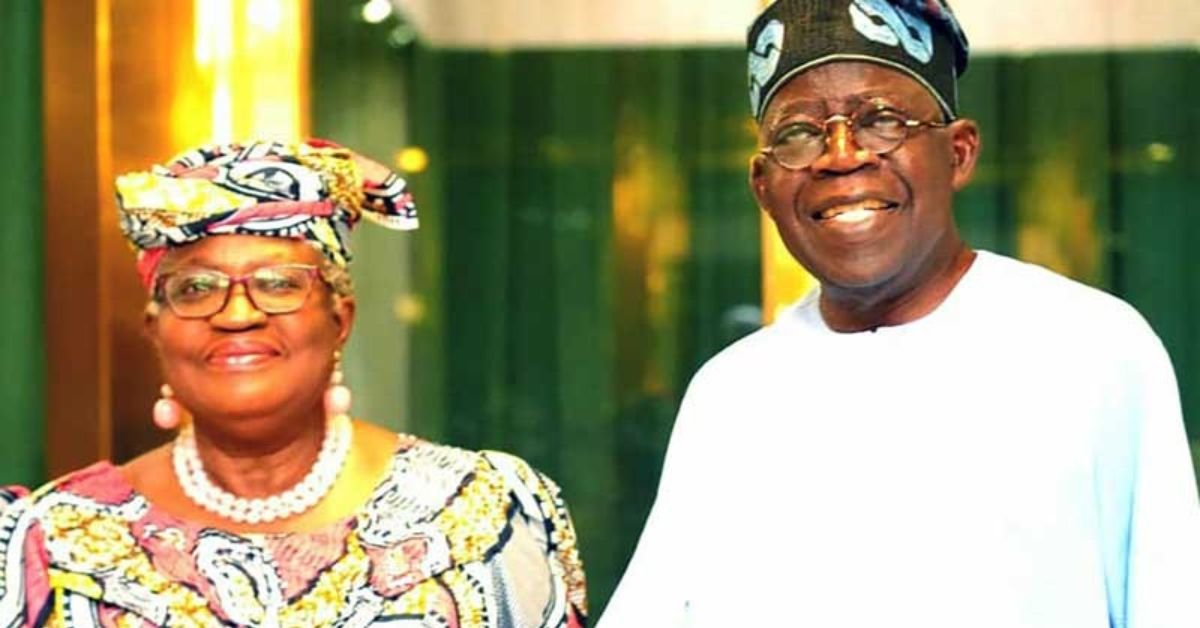
In the full version released by Dr Ngozi Okonjo Iweala she said that Nigerians are suffering under economic reforms Uwazurike highlights this statement amid mixed reactions Read the detailed account of what was said who reacted and the context behind the controversy .
Recently a statement attributed to WTO Director General and former Nigerian Finance Minister Dr Ngozi Okonjo Iweala has stirred heated debate across Nigerias political and public space After a partial report that highlighted her praise for President Bola Tinubus efforts in bringing economic stability a more complete version of her remarks was later shared According to Uwazurike this fuller version made it clear that she acknowledged that Nigerians are suffering as a result of the ongoing economic conditions This wider narrative has forced many to question how economic policies are communicated and how leaders balance progress with the pain citizens feel every day .
What Was Initially Reported
At first several media outlets reported that Dr Okonjo Iweala commended President Tinubu for his economic reforms They said she noted that the administration had achieved macro economic stability through the removal of fuel subsidies the unification of multiple exchange rates and steps to curb central bank financing of budget deficits These reforms were described by her as being in the right direction However many of these early stories emphasized the positive outlook on stability while overlooking the suffering of ordinary Nigerians who are struggling to cope with rising costs and shrinking household income .
Also Read : Adeleke’s Intervention May Lead to Dethronement of Jailed Osun Monarch
The Full Coverage What Was Later Released
According to Uwazurike the full version of Dr Okonjo Iwealas remarks painted a much more balanced picture She did not only speak about reforms being right but also openly admitted that Nigerians are suffering under the weight of these changes She called for stronger social safety nets that can protect vulnerable citizens from the harsh effects of subsidy removal and other policies She also stressed that stability alone is not enough if it is not followed by growth job creation and higher incomes The real challenge she explained is to put money in the pockets of ordinary people so that they can feel the benefits of reforms in their daily lives .
Uwazurikes Assertion
Uwazurike who shared his interpretation of her complete statement insisted that the earlier reports were selective He argued that they did not capture the full meaning of what she said According to him the fuller release showed that Dr Okonjo Iweala clearly recognized the hardship people face and it is wrong to present her words as if she was only praising the government without empathy for citizens .
Responses and Reactions
The reactions to this development have been divided On one hand opposition groups such as the African Democratic Congress and other commentators argued that government backers intentionally highlighted the positive remarks while downplaying the comments about suffering They believe that urgent action is needed to match the scale of the hardship ordinary Nigerians are experiencing Many also admit that the reforms are necessary but painful and fairness demands that mechanisms be put in place to protect the poor .
On the other hand critics like Chief Bode George expressed anger at Dr Okonjo Iweala for what they perceived as an overly optimistic tone They argued that it is insensitive to praise Tinubu when millions of Nigerians are struggling with hunger inflation and joblessness For these critics even acknowledging stability without fully recognizing suffering feels like a disconnect from reality They have raised a pressing question does macroeconomic stability automatically mean that the average Nigerian family will live better .
The Context Economic Indicators and Policy Impacts
To understand why these comments have gained such attention it is important to look at the state of the economy Inflation remains high and food inflation in particular has pushed up the cost of essential goods The removal of fuel subsidies has raised the price of transport energy and daily commodities Exchange rate unification and other fiscal reforms may have calmed investors and stabilized currency volatility but at the household level they have reduced purchasing power These realities explain why the suffering comment resonated with so many Nigerians .
Implications What This Means Going Forward
Going forward it is clear that reforms must be paired with policies that protect the vulnerable This means designing safety nets targeted support and inflation control measures Without such efforts stability risks being an achievement on paper rather than one felt in peoples homes There is also a communication issue When citizens feel that leaders are only presenting good news it erodes public trust and strengthens the voices of opposition The Tinubu administration will also face political consequences if it fails to address this suffering perception Civil society and the media are likely to push for transparency clear metrics and proof that reforms are truly delivering jobs and better living conditions .
Conclusion
The debate around Dr Okonjo Iwealas comments underlines a recurring truth in governance Achieving macroeconomic progress is important but it must be matched with empathy and policies that reduce hardship Uwazurikes emphasis on her full remarks serves as a reminder that optimism should not overshadow the reality that millions of citizens live with every day As reforms continue the key test will be whether this stability translates into genuine growth whether people feel the impact in their households and whether those at the bottom are not left carrying the heaviest burden .